
 Italiano
REINVIGORATE YOUR GREEN SPACE: THE SECRET BY BRICOUTENSILI.COM! Spring has arrived, and your garden is calling! Want...

Ultimi Articoli
-
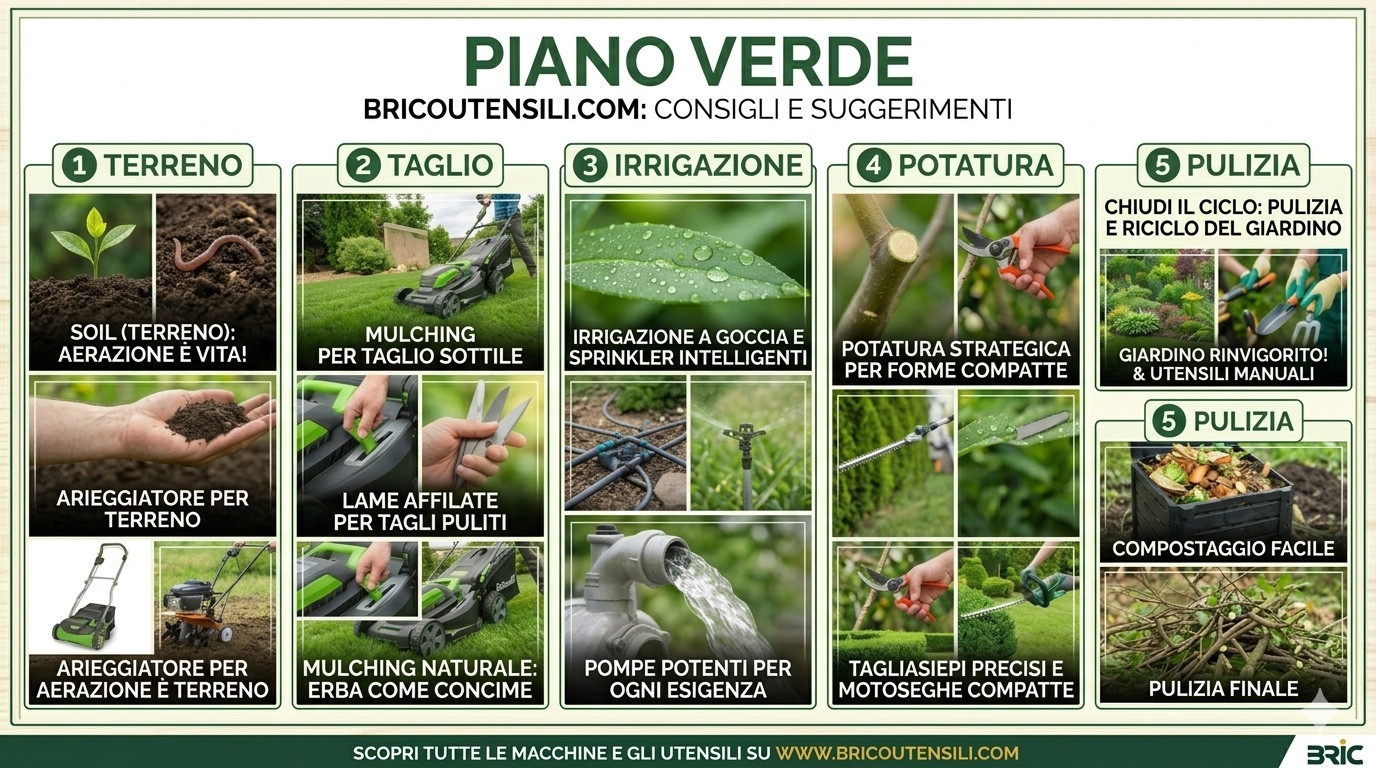 REINVIGORATE YOUR GREEN SPACERead more
 -
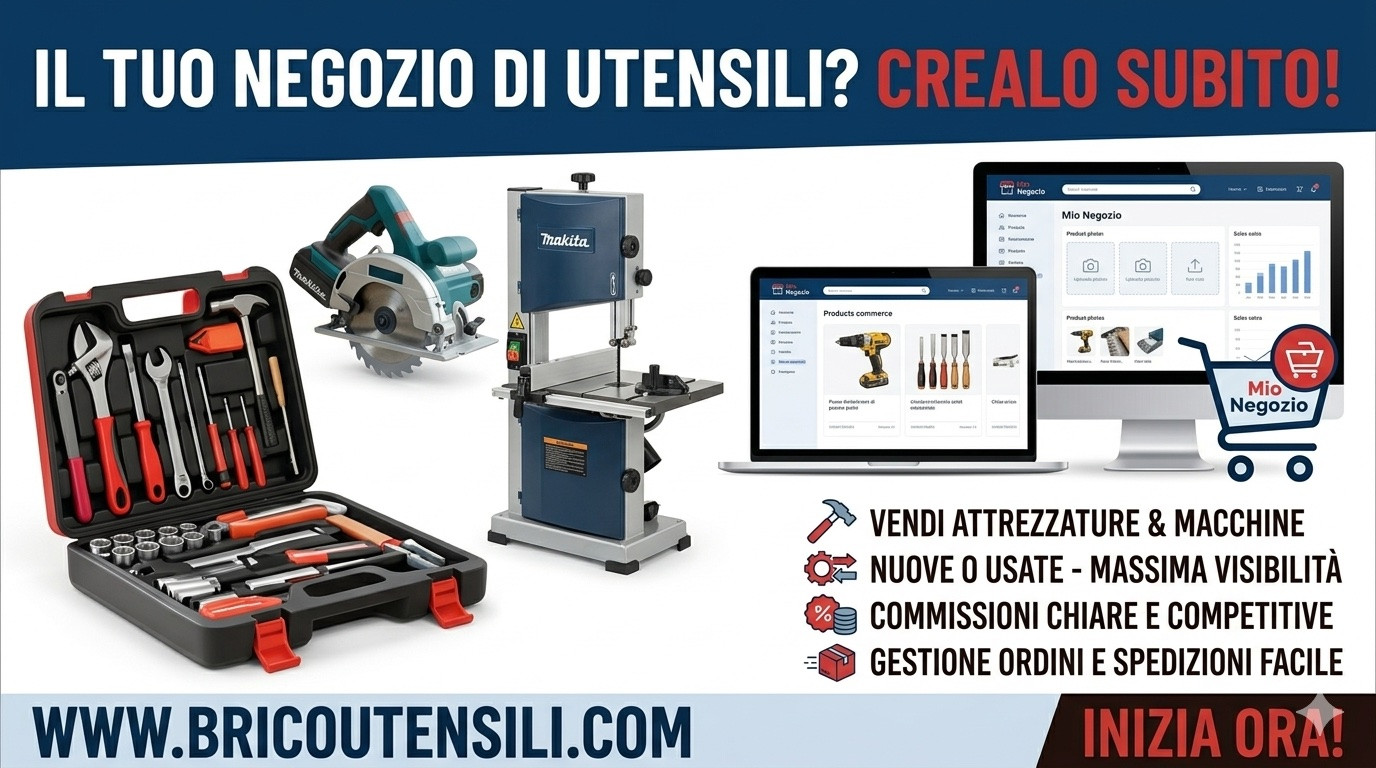 Become a SellerRead more
HAVE TOOLS YOU NO LONGER USE? TURN THEM INTO CASH NOW! Are you a hobbyist or a professional with a garage or workshop...
-
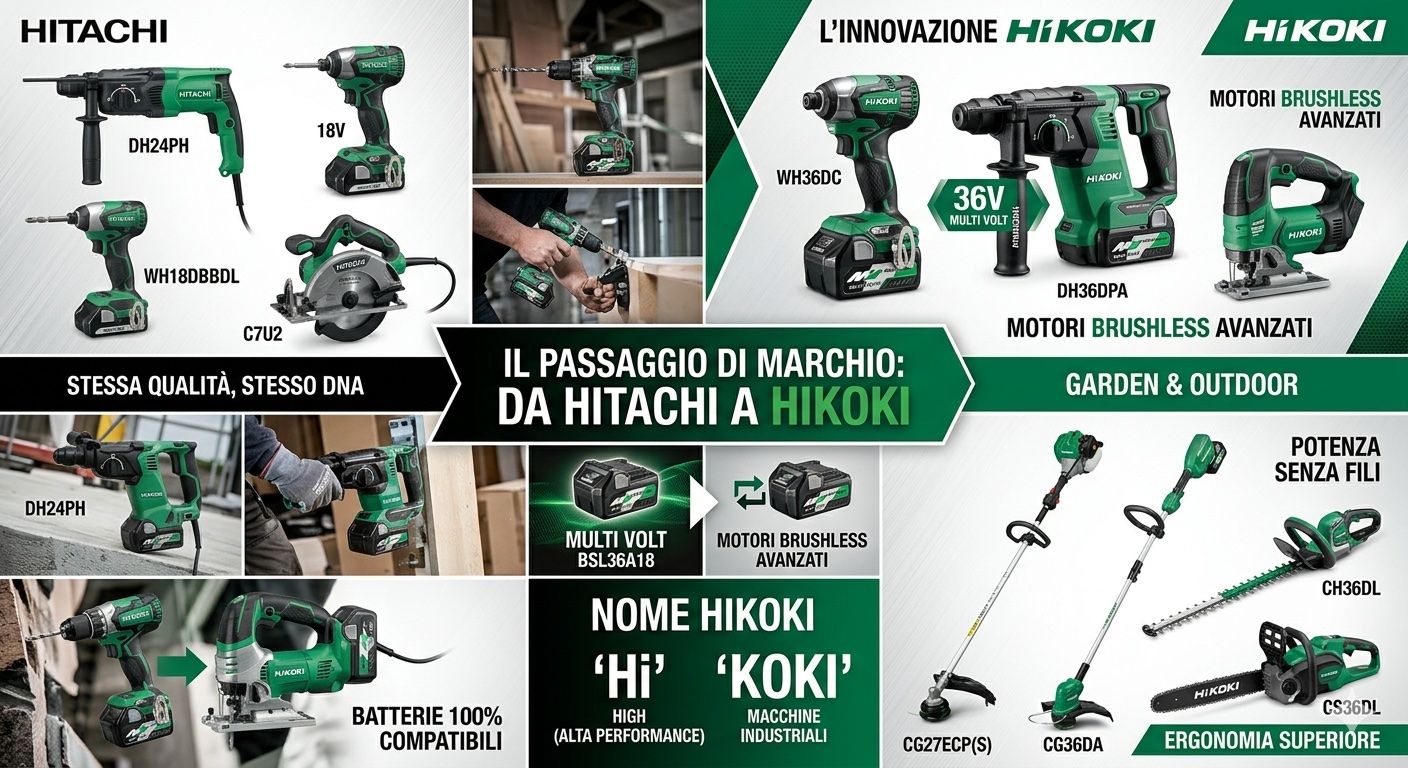 From Hitachi to HiKOKI The Evolution of Power ToolsRead more
The Context: Why the change? It all began with a major financial operation in 2017. The multinational Hitachi Ltd....
-
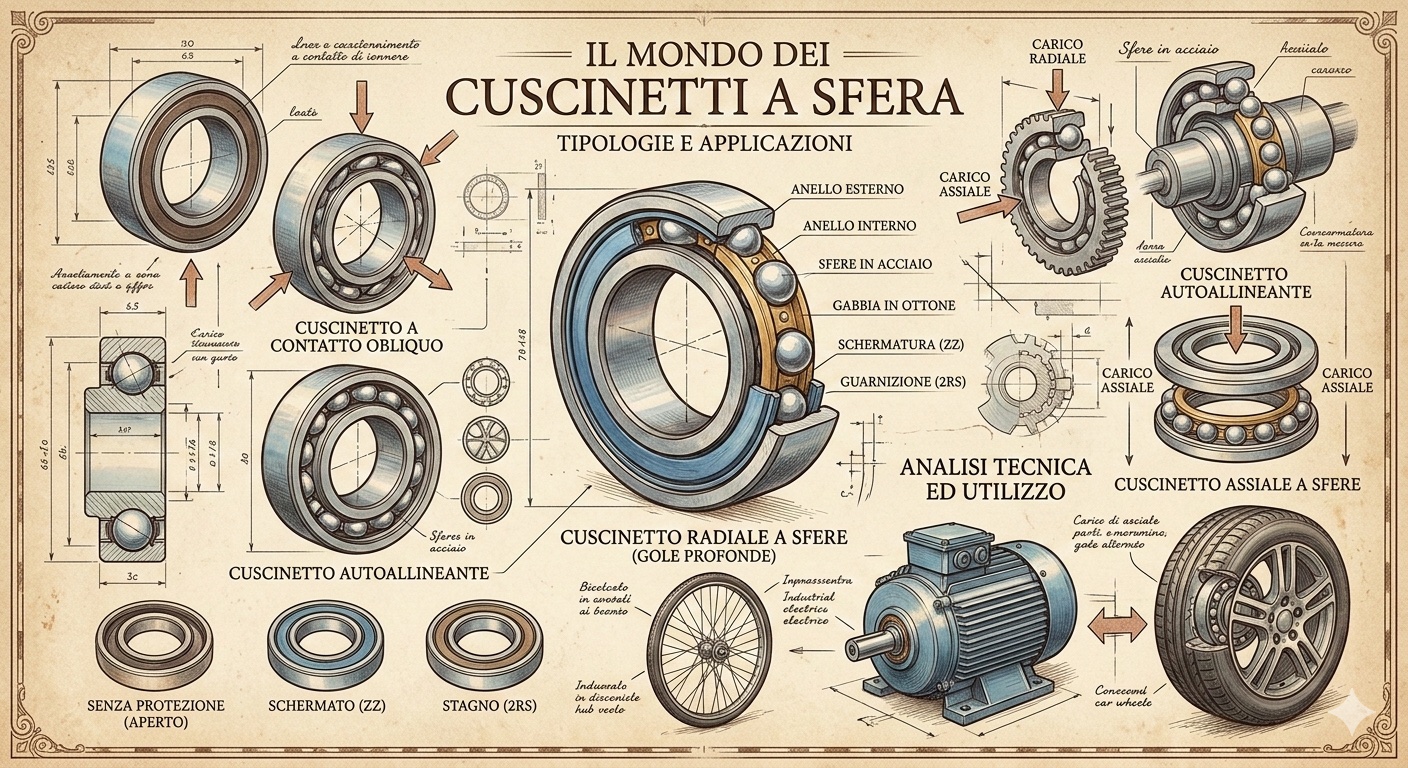 Essential Compendium on Ball BearingsRead more
A guide to ball bearings: types, codes, assembly, and maintenance. Everything you need to know to keep your projects...
-
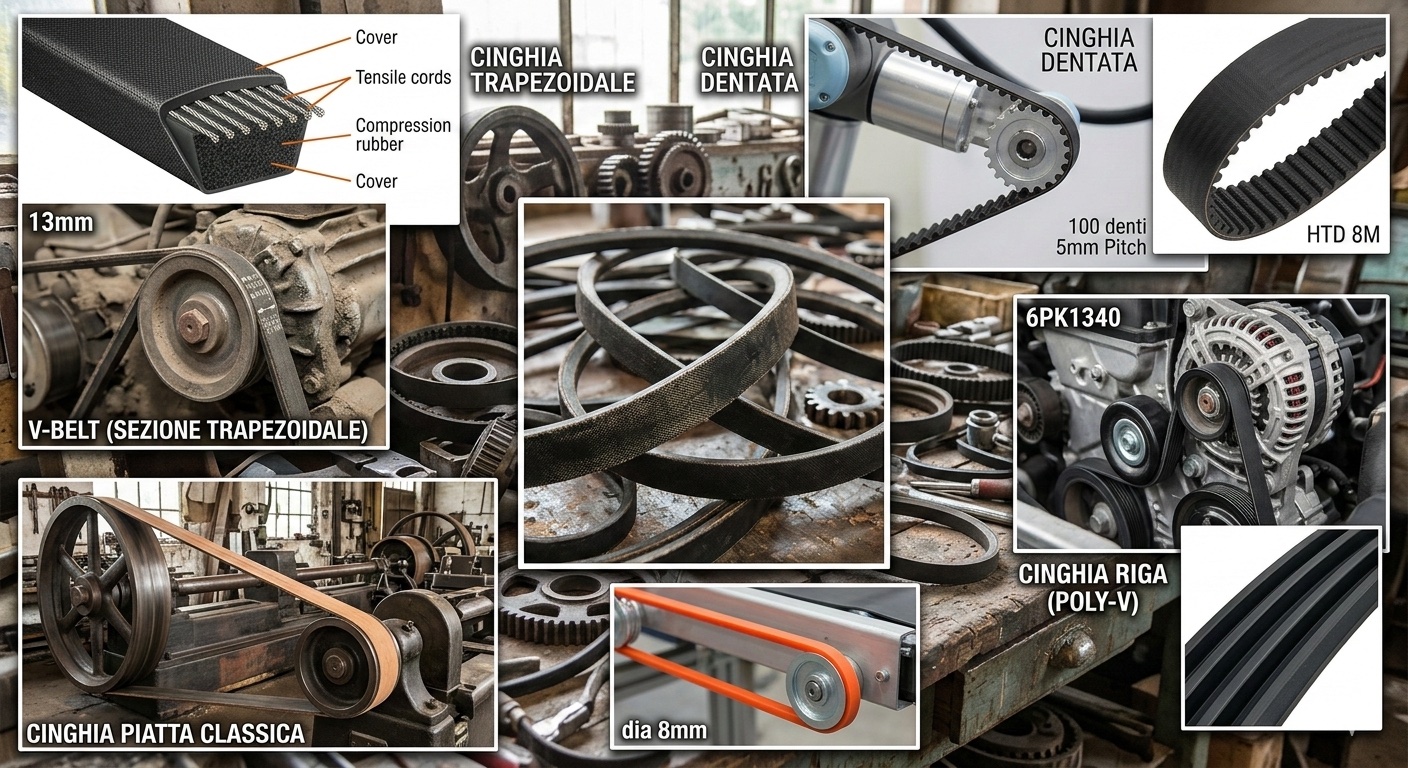 Comprehensive Overview of Main Belt TypesRead more
All belt types in a single catalog. Find the perfect replacement among trapezoidal, synchronous, or ribbed profiles....
-
 Dolmar and Makita: When History Meets the FutureRead more
Choosing a Dolmar-Makita electric chainsaw means getting your hands on nearly a century of mechanical innovation....
-
 MMA WELDING by telwinRead more
Arc welding with coated electrodes is a manual process where the heat source consists of the electric arc. When the...
-
 The Future of Commerce through InnovationRead more
The world of commerce has changed forever. The crisis of recent years has spared no one, but it has drawn a clear...
-
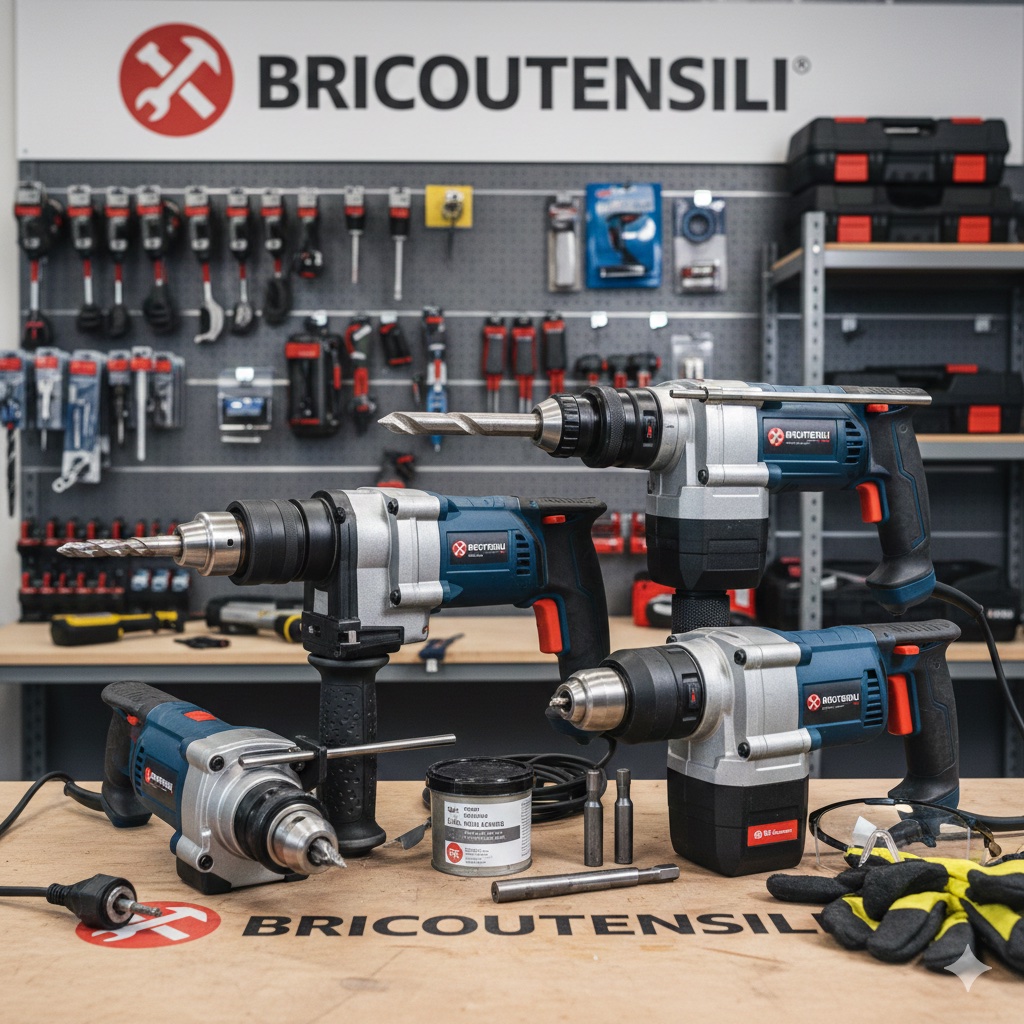 How to Choose the Perfect Demolition HammerRead more
Choosing a demolition hammer is not just about the price; it’s about efficiency and safety. Whether you need to chip...
-
 Expertise at Your ServiceRead more
Choosing the right partner for your work tools is not just about price; it’s about trust, reliability, and...
Blog categories
Search in blog
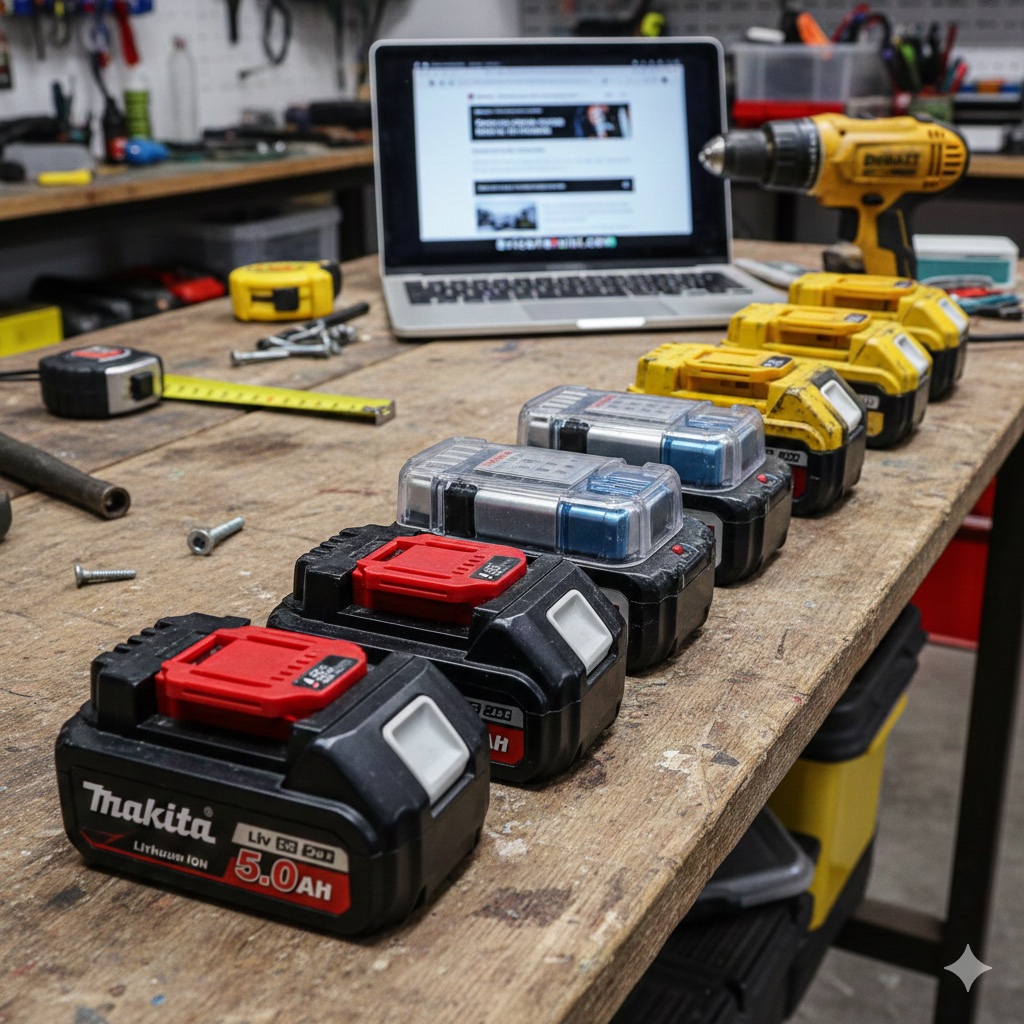
Powertools Batteries
Powertools Batteries
| Technical Comparison of Technologies | |||
| Feature | Nickel-Cadmium (Ni-Cd) | Nickel-Metal Hydride (Ni-MH) | Lithium-Ion (Li-Ion) |
| Energy Density | Low | Medium | High |
| Memory Effect | Significant | Minimal | None |
| Lifespan (Cycles) | High (up to 1000) | Medium (300-500) | High (500-1000+) |
| Self-Discharge | Moderate (15-20%/month) | High (30%/month) | Very Low (5%/month) |
| Environmental Impact | High (contains Cadmium) | Low | Low |
Technological Evolution in DIY and Professional Markets
To make this dissertation truly comprehensive, it is worth exploring certain technical and practical aspects that distinguish these technologies, especially now that the market has almost entirely shifted toward Lithium.
Crucial Insights
1. The Role of Torque (Nm) and Voltage (V)
As you correctly noted, power does not depend solely on chemistry.
Voltage (Volts): Determines "raw force." An 18V drill will generally provide more torque than a 12V one.
Amperage (Ah): Represents the capacity of the "fuel tank." The higher the Ah, the longer you can work before recharging.
Torque (Nm): This is the actual performance parameter. A high-torque driver can sink long screws into hardwood without stalling.
2. The Decline of Ni-Cd and Ni-Mh
Today, finding new tools with Nickel-based batteries is difficult for two main reasons:
European Regulations: Cadmium is a highly toxic heavy metal; its commercialization in portable batteries has been strictly limited.
Control Electronics: Lithium batteries require an integrated circuit—the BMS (Battery Management System)—which protects cells from overheating and over-discharging. This makes modern tools much "smarter."
3. Management and Maintenance (Expert Advice)
You correctly mentioned that Lithium should never be fully discharged. Here is why:
If a Lithium cell drops below a certain voltage threshold (approximately 2.5V per cell), it risks becoming chemically unstable. For safety reasons, the charger may refuse to recharge it, resulting in the "death" of the battery.
The Chemistry of Power: What Happens "Under the Hood"
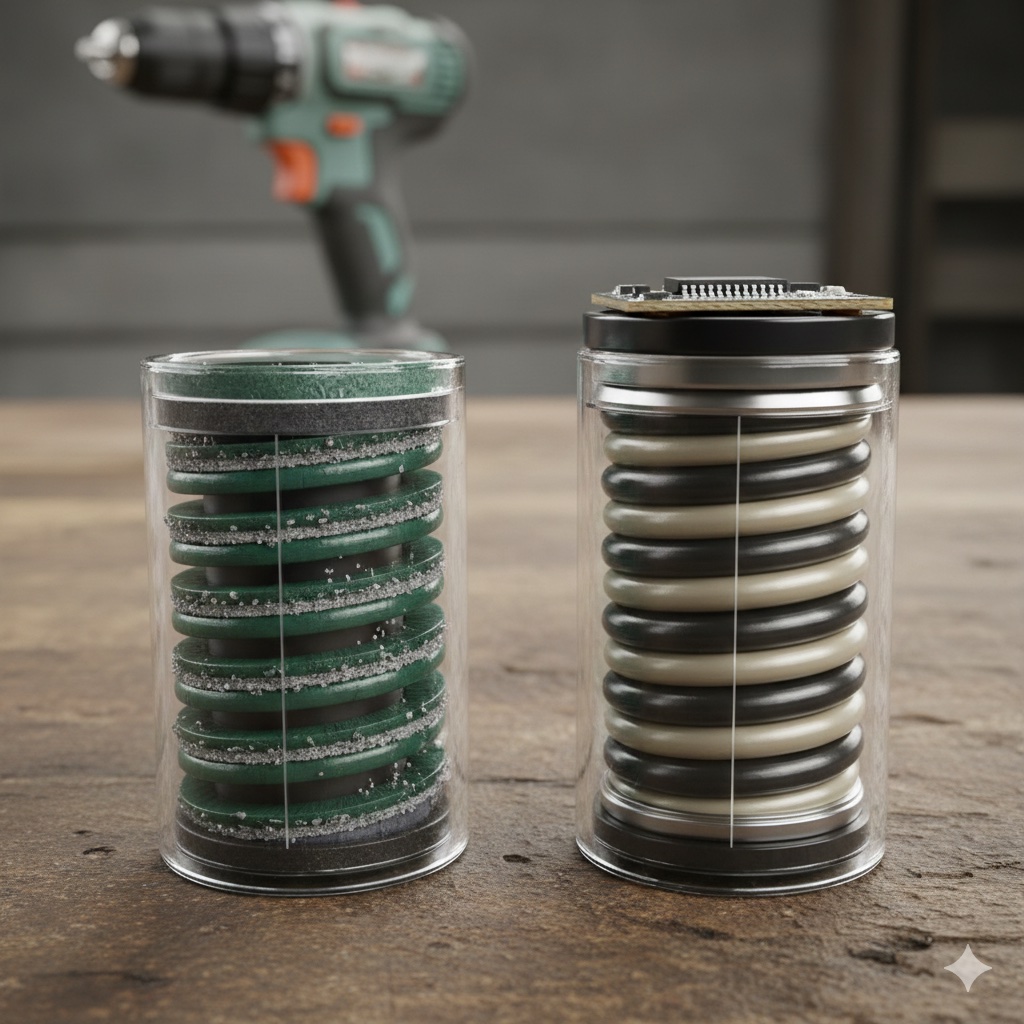
1. The Secret of Lithium (Li-Ion): Energy Density
Lithium batteries have revolutionized the industry because Lithium is the lightest metallic element and has the highest electrochemical potential.
Volumetric Density: For the same volume, a Lithium battery stores roughly twice the energy of a Ni-Mh and triple that of a Ni-Cd.
Voltage Stability: Unlike Nickel batteries, which lose power gradually as they discharge, Lithium cells maintain a very flat discharge curve. This means the driver has nearly the same strength from the first to the last minute of use.
2. The Enigma of the Memory Effect (Ni-Cd and Ni-Mh)
This phenomenon involves the formation of metallic cadmium micro-crystals.
If you charge a Ni-Cd battery before it is empty, the crystals "remember" the recharge point and create a chemical barrier. The cell voltage drops suddenly when it reaches that point, rendering the battery unusable even if it still contains energy.
Ni-Mh reduced this issue by using hydrogen-absorbing alloys but introduced high self-discharge: a charged Ni-Mh battery left in a drawer for a month can lose up to 30% of its energy due to internal parasitic reactions.
The Relationship Between Battery and Motor: Nm and Ah
To understand effective power, we must view the battery as part of an electrical system regulated by Ohm’s Law (V=R⋅I).
Discharge Capacity (C-Rating)
Not all 5.0Ah batteries are created equal. The secret lies in the discharge current:
A professional hammer drill can require peaks of 30A to 50A while drilling into concrete.
Inexpensive batteries (often non-original compatibles) have cells that cannot deliver such current without overheating. When the battery "sags," the torque (Nm) drops drastically because the internal battery voltage falls under load.
The Link with Brushless Motors
Modern batteries work in symbiosis with Brushless motors. Since these motors are managed by a microprocessor, the battery communicates constantly with the tool:
Thermal Protection: If cells exceed 60-70°C, the electronics cut power to prevent explosion or chemical degradation.
Torque Optimization: The electronics can request short pulses of extremely high current from the battery to overcome the initial resistance of a seized screw.
Pro Maintenance: How to Make Them Last 10 Years
For a practical dissertation, follow these "golden rules" often ignored by professionals:
The Ideal Lithium Range: Lithium cells suffer at 0% (oxidation) or 100% (maximum chemical stress). The sweet spot is between 20% and 80%. For long-term storage, leave them with two out of three charge bars.
Heat is the Enemy: Charging a battery immediately after use while it is still hot is the fastest way to kill it. Modern professional chargers feature internal fans to cool the cells during the cycle.
The Cold: Below 0°C, internal resistance increases so much that the electronics might signal "low battery" even if it is full. Warm it between your hands before use.
| Summary Table: When to Choose Which? | ||
| Tool Type | Recommended Technology | Reason |
| Occasional DIY use | Li-Ion | Does not self-discharge while stored in the drawer. |
| Intensive professional use | Li-Ion High Output | Supports high discharge currents and fast charging. |
| Older tools (vintage) | Ni-Cd / Ni-MH | Necessary to maintain original functionality/compatibility. |
Technical Note: Many people today refurbish old battery packs by replacing Ni-Cd cells with 18650 Li-Ion cells. However, caution is advised: an additional BMS (Battery Management System) module is required to prevent fires, as old chargers are not designed to manage lithium chemistry.
Conclusion of the Dissertation
While Ni-Cd batteries were robust but polluting "workhorses" and Ni-MH was a more ecological but delicate transition attempt, Lithium has won the challenge thanks to its superior power-to-weight ratio. Nevertheless, the quality of a lithium battery depends heavily on the quality of the internal cells (e.g., Samsung, Sony, LG) and effective heat management.
Informed Purchasing on Bricoutensili.com
When browsing Bricoutensili.com, users benefit from being able to filter their search not only by brand but also by the technical specifications analyzed above. Here is how to make the most of the portal based on your chosen technology:
1. Selecting Lithium-Ion (Li-Ion) Batteries
On Bricoutensili, you can find the latest evolutions in Lithium technology, such as High Output or ProCORE batteries.
Purchasing Advantage: The site allows you to choose between different capacities (Ah). For light screwdriving tasks, you can opt for a compact 2.0 Ah battery; for drilling into concrete, you should aim for 5.0 Ah or higher.
Compatibility: You will find original batteries for major brands (Makita, Bosch, DeWalt, Milwaukee), ensuring the communication chip between the battery and the tool is correct.
2. Replacements for Legacy Technologies (Ni-Cd and Ni-MH)
Although these technologies are disappearing, many professionals still own sturdy tools that run on Nickel batteries.
The Solution: Bricoutensili.com is often a valuable resource for finding high-quality original or compatible spare parts to breathe new life into old drivers that are still mechanically perfect, avoiding the need to discard the entire kit.
3. Battery + Charger Kits (Starter Sets)
A common mistake is buying a battery without an adequate charger.
Starter Kits are available on Bricoutensili.com. As noted in this dissertation, Lithium requires intelligent chargers that monitor temperature. By purchasing a complete kit, you ensure the charging system is perfectly calibrated for the chemistry of the cells.
Why Choose a Specialized Retailer?
Buying sensitive components like batteries from generalist marketplaces can be risky (due to counterfeit cells or "old stock" with degraded chemistry). Choosing Bricoutensili.com offers specific guarantees:
Guarantee of Freshness: Lithium batteries age even when not in use. A specialized retailer guarantees stock rotation, ensuring you receive a "fresh" battery.
Technical Support: If you have doubts about compatibility between an old drill and a new high-amperage battery, customer service can guide you in choosing the correct torque (Nm) and voltage (V).
Safety: All batteries sold comply with CE regulations, which are essential for managing chemical materials (such as Cadmium in Ni-Cd or the stability of Lithium).
Updated Conclusion
Choosing the right battery is the heartbeat of your work. Whether you are looking for the lightweight convenience of Lithium for long shifts or a replacement for an old Nickel-powered "mule," combining technical understanding with a reliable purchasing channel like Bricoutensili.com is the winning strategy.
Final Tip: Before finalizing your purchase on Bricoutensili, always check your power tool's model code. Batteries often look identical externally but may differ slightly in their mounting brackets or voltage.
Posted in:
Guides & Tips
Related posts
-
From Hitachi to HiKOKI The Evolution of Power Tools
The Context: Why the change? It all began with a major financial operation in 2017. The multinational Hitachi Ltd....Read more
-
Essential Compendium on Ball Bearings
A guide to ball bearings: types, codes, assembly, and maintenance. Everything you need to know to keep your projects...Read more
-
Comprehensive Overview of Main Belt Types
All belt types in a single catalog. Find the perfect replacement among trapezoidal, synchronous, or ribbed profiles....Read more
-
Dolmar and Makita: When History Meets the Future
Choosing a Dolmar-Makita electric chainsaw means getting your hands on nearly a century of mechanical innovation....Read more
-
MMA WELDING by telwin
Arc welding with coated electrodes is a manual process where the heat source consists of the electric arc. When the...Read more
Leave a comment