
 Italiano
REINVIGORATE YOUR GREEN SPACE: THE SECRET BY BRICOUTENSILI.COM! Spring has arrived, and your garden is calling! Want...

Ultimi Articoli
-
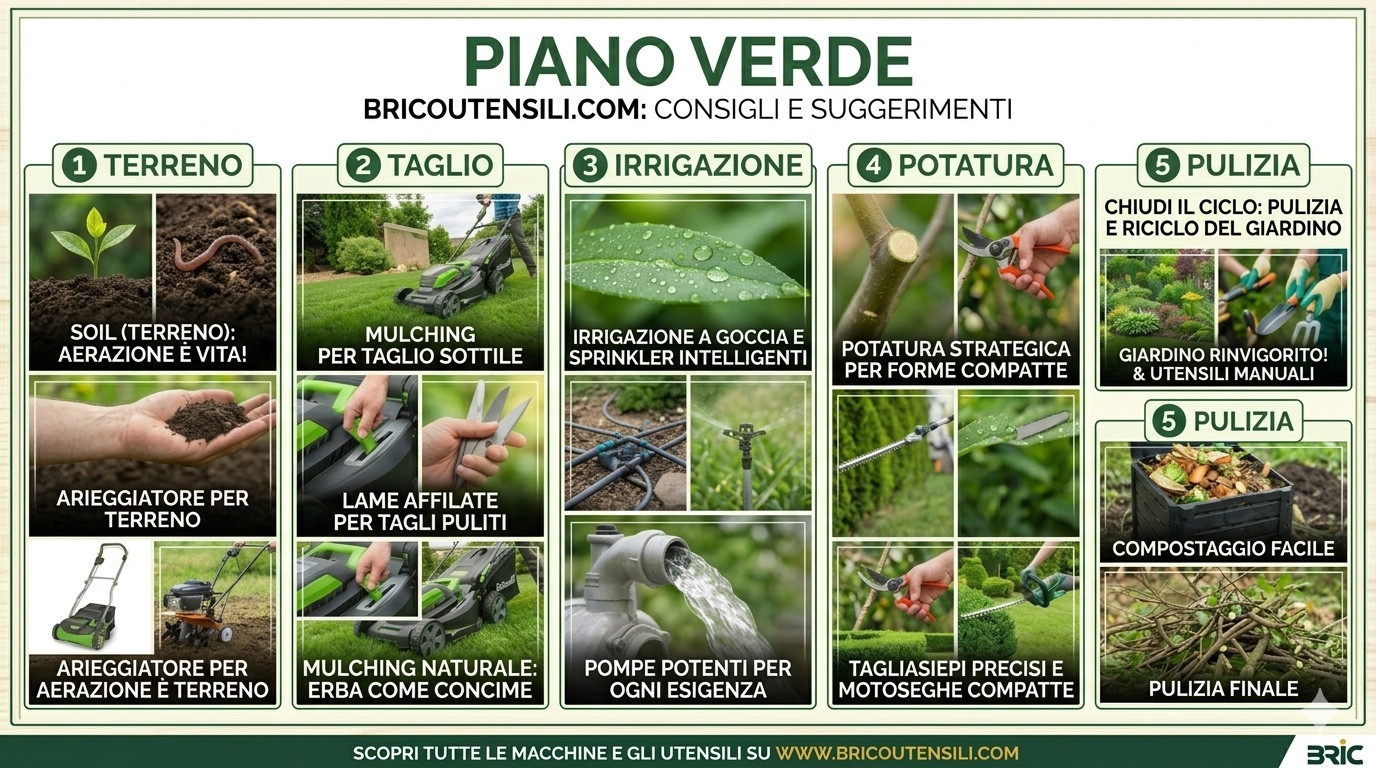 REINVIGORATE YOUR GREEN SPACERead more
 -
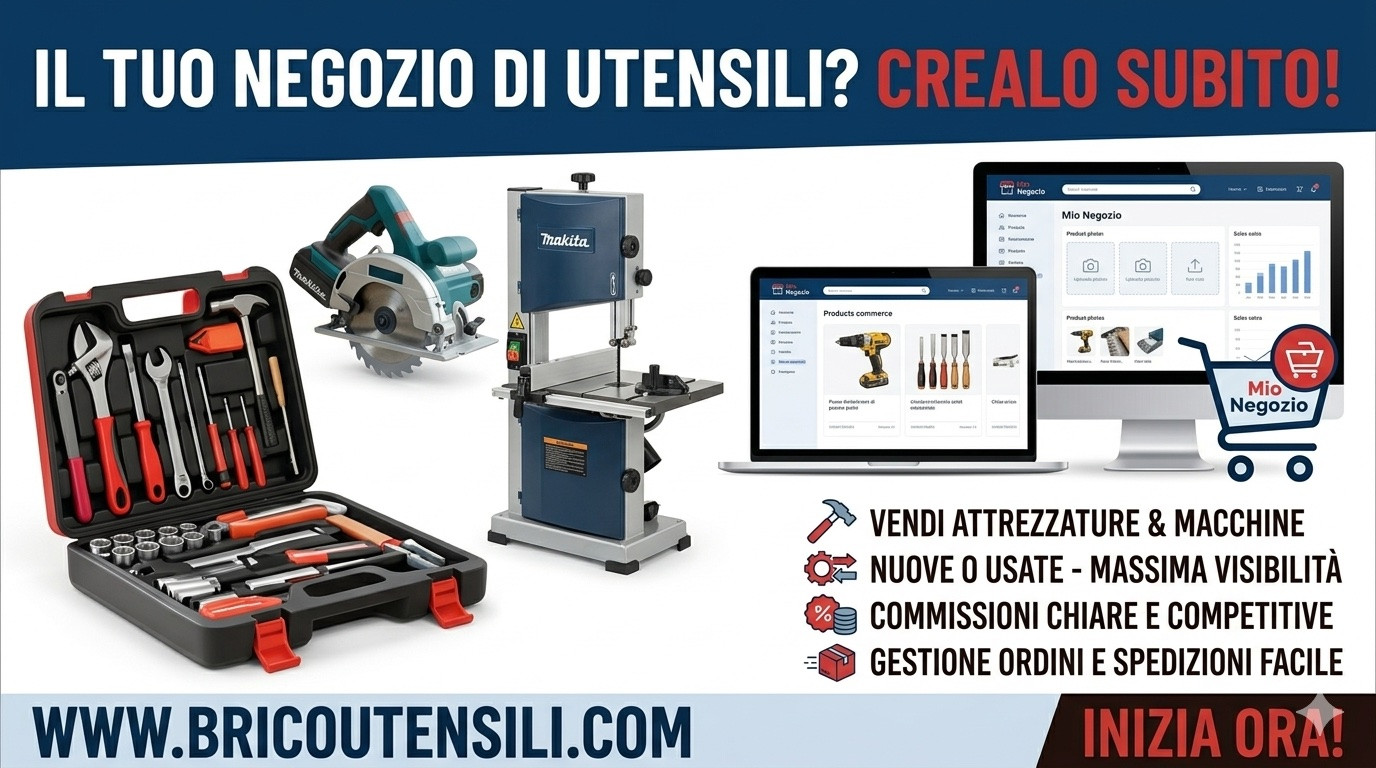 Become a SellerRead more
HAVE TOOLS YOU NO LONGER USE? TURN THEM INTO CASH NOW! Are you a hobbyist or a professional with a garage or workshop...
-
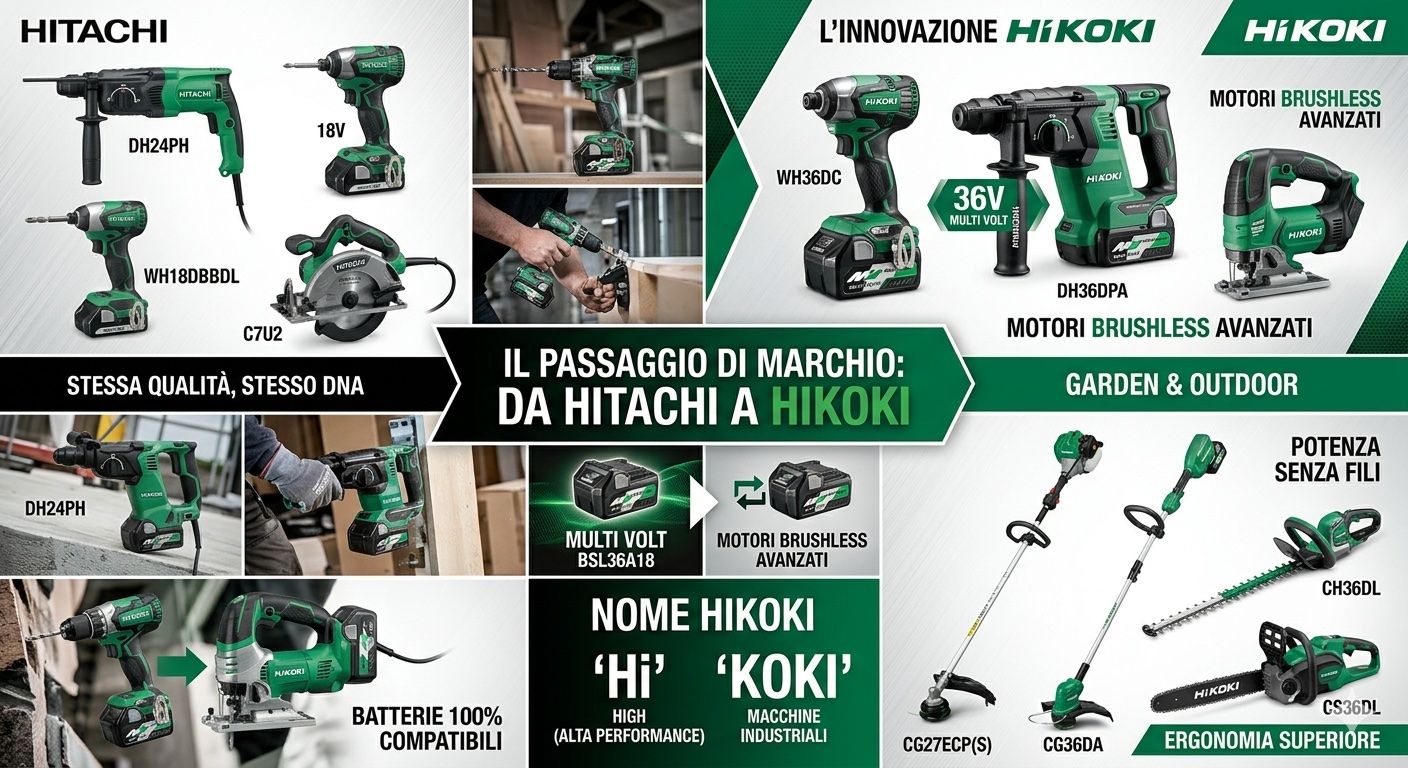 From Hitachi to HiKOKI The Evolution of Power ToolsRead more
The Context: Why the change? It all began with a major financial operation in 2017. The multinational Hitachi Ltd....
-
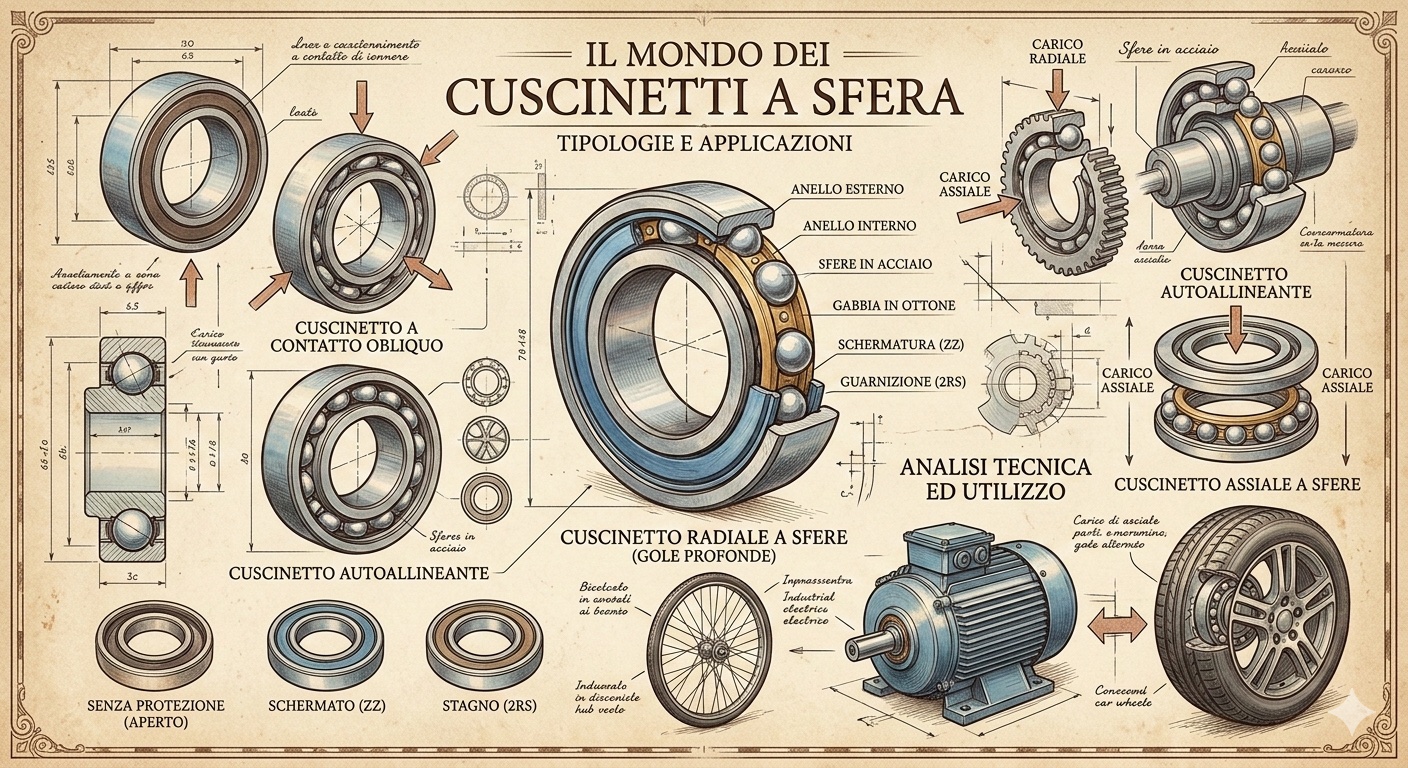 Essential Compendium on Ball BearingsRead more
A guide to ball bearings: types, codes, assembly, and maintenance. Everything you need to know to keep your projects...
-
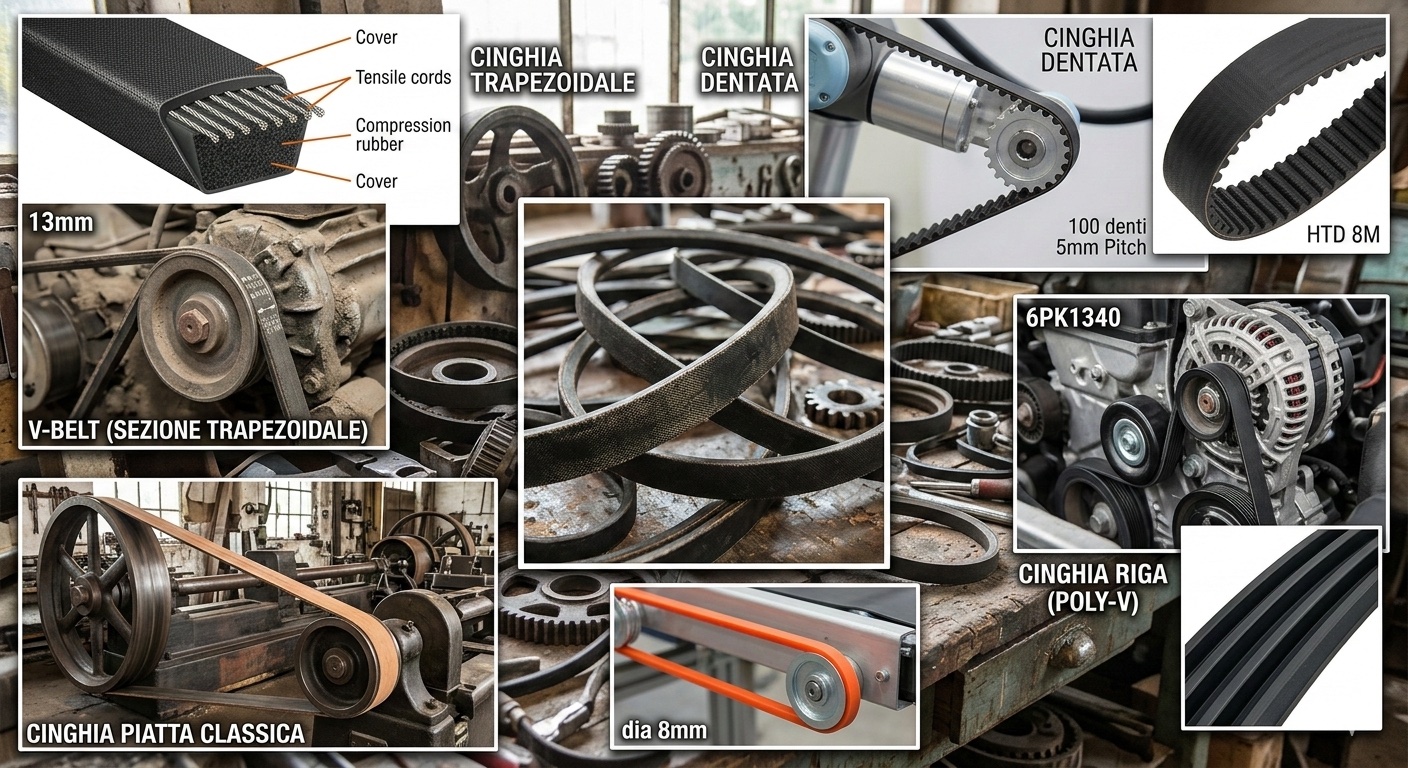 Comprehensive Overview of Main Belt TypesRead more
All belt types in a single catalog. Find the perfect replacement among trapezoidal, synchronous, or ribbed profiles....
-
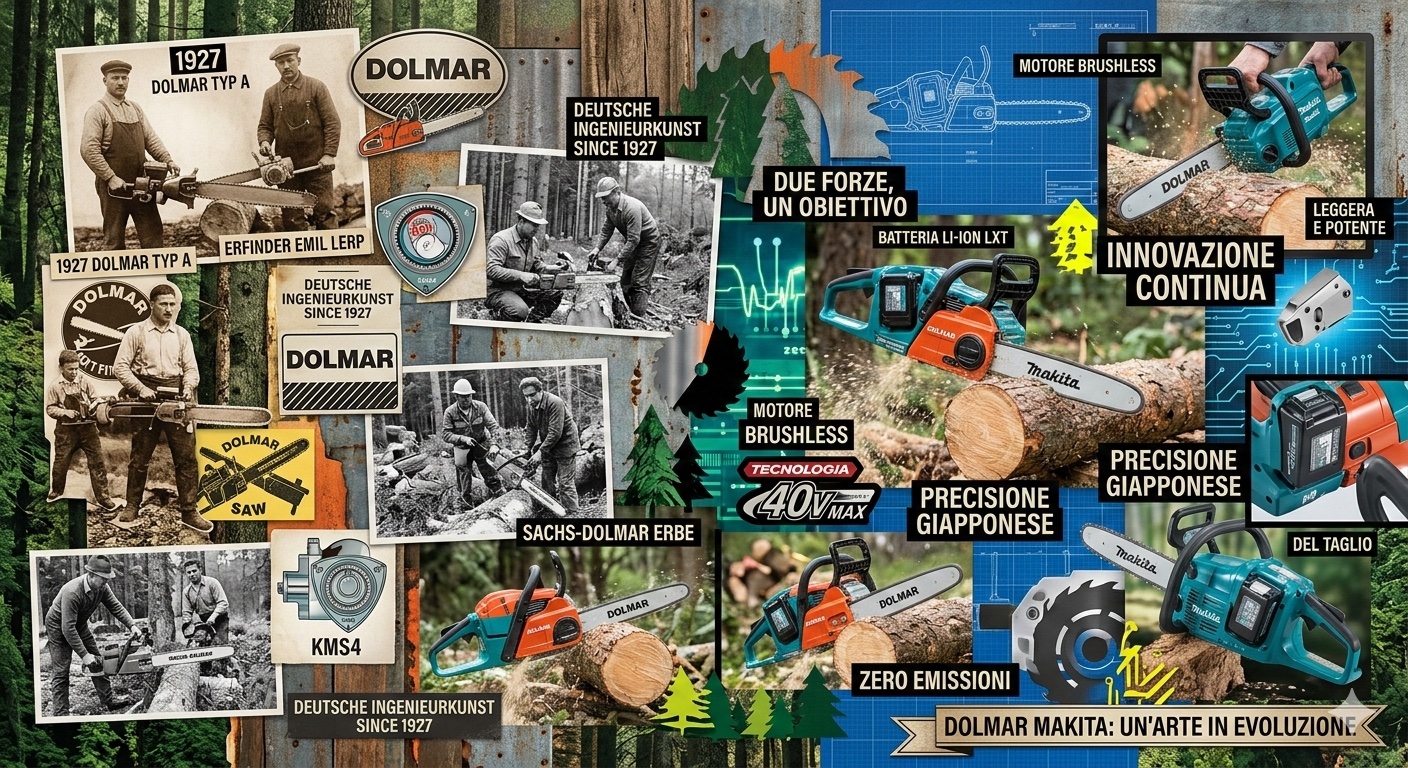 Dolmar and Makita: When History Meets the FutureRead more
Choosing a Dolmar-Makita electric chainsaw means getting your hands on nearly a century of mechanical innovation....
-
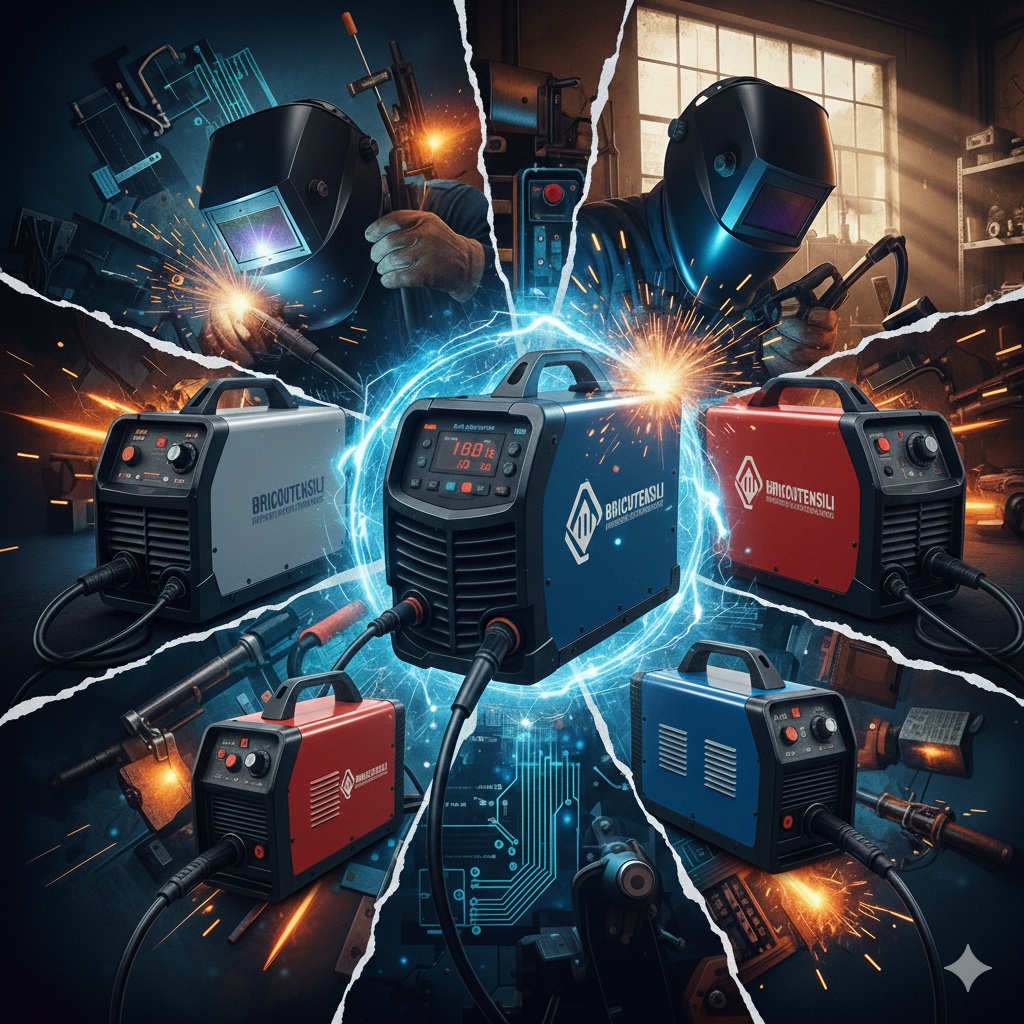 MMA WELDING by telwinRead more
Arc welding with coated electrodes is a manual process where the heat source consists of the electric arc. When the...
-
 The Future of Commerce through InnovationRead more
The world of commerce has changed forever. The crisis of recent years has spared no one, but it has drawn a clear...
-
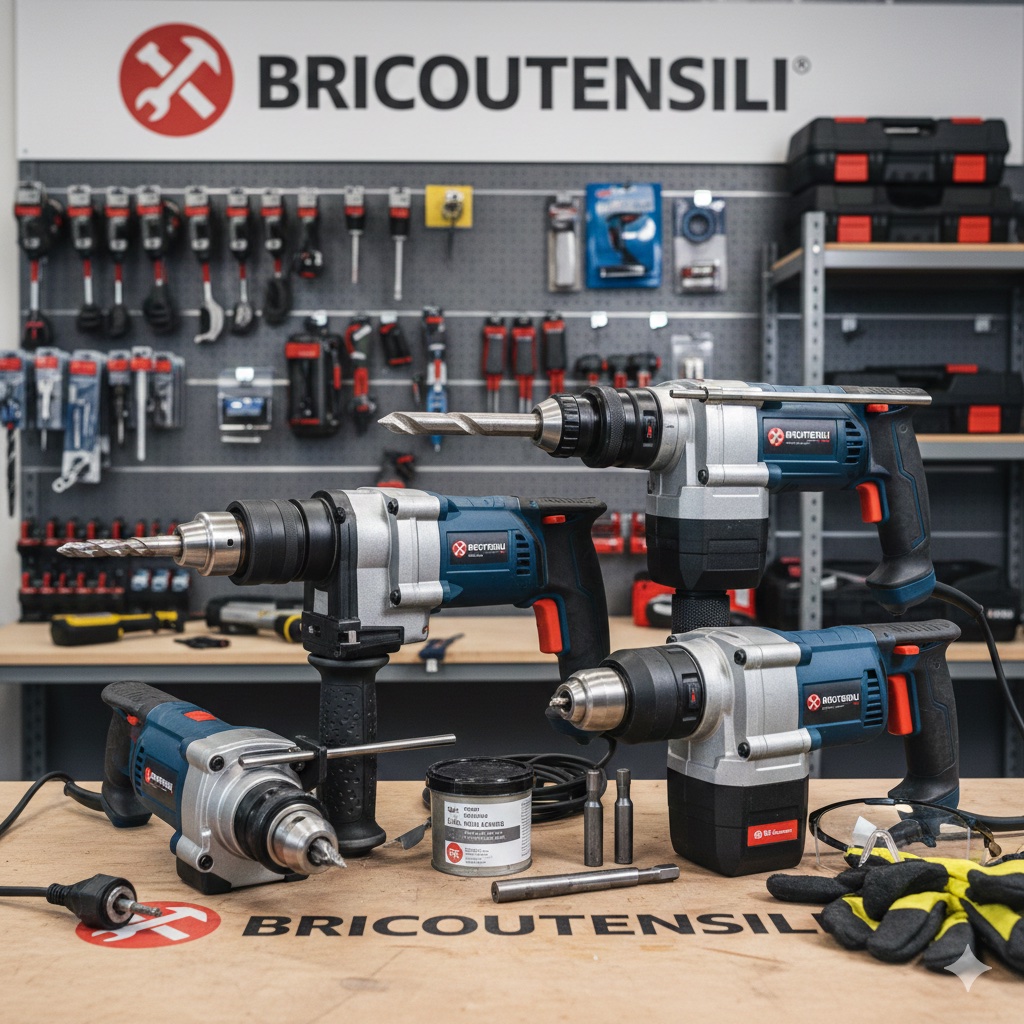 How to Choose the Perfect Demolition HammerRead more
Choosing a demolition hammer is not just about the price; it’s about efficiency and safety. Whether you need to chip...
-
 Expertise at Your ServiceRead more
Choosing the right partner for your work tools is not just about price; it’s about trust, reliability, and...
Blog categories
Search in blog
Specialist Guide to Ignition Coils
Specialist Guide to Ignition Coils
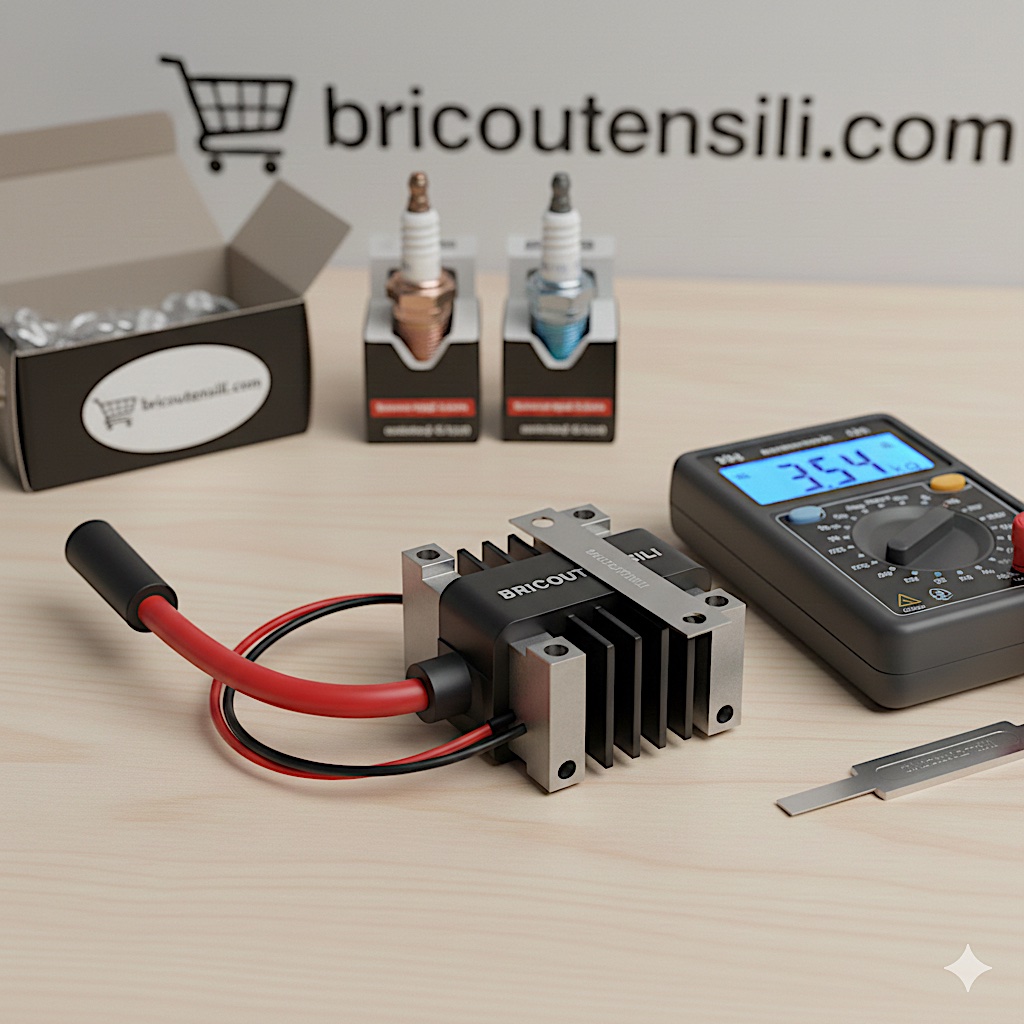
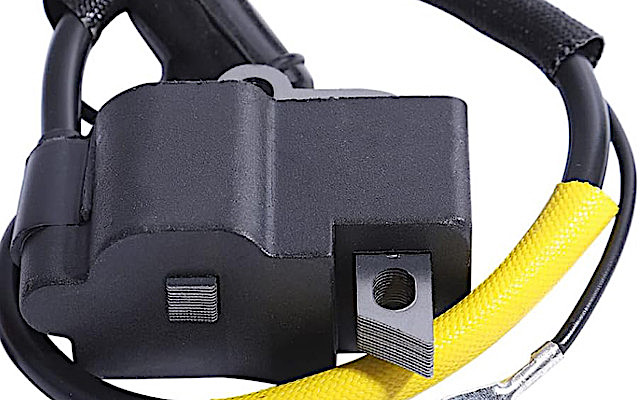
Chainsaws and Brushcutters: Theory, Diagnostics, and Spare PartsWelcome to the world of small two-stroke engine mechanics. The ignition coil is the "beating heart" of these machines: it has the titanic task of stepping up the input voltage to a level (thousands of volts) high enough to allow the current to "jump" the gap between the spark plug electrodes, creating the spark.
1. Internal Structure and High-Voltage Physics
To understand why a coil fails, we must analyze how it is built. It is all based on Faraday-Lenz's Law (Electromagnetic Induction).
Composition: The exterior is made of insulating material. Internally, the system is a step-up autotransformer consisting of two windings:
Primary Circuit: A few hundred turns of thick copper wire where energy accumulates.
Secondary Circuit: Thousands of turns of ultra-fine wire that elevate the voltage.
Insulation: They can be oil-bathed (outdated technology) or, more commonly, sealed in epoxy resin, which protects the wires from extreme vibrations.
Connections: They feature two essential terminals: Positive (power supply) and Ground (to close the circuit).
Construction Types: Focus on "Closed Secondary"
In professional equipment, the most common type is the closed secondary (or Ohmic-inductive). The energy leaves via the high-voltage lead, discharges through the spark plug, travels through the engine block, and returns to ground. For these coils, the use of inductive ignition cables is mandatory.
2. Technological Evolution
Mechanical Coils (Points): Now considered antiques. A mechanical breaker opened the circuit to generate the spark.
Electronic Coils (Transistorized): The current standard. An integrated electronic module determines the exact ignition timing (phase), ensuring reliability and zero mechanical wear.
3. Malfunction Symptoms and Diagnostics
Testing a coil requires precision to avoid replacing a functioning part (costs range from €30 to €100).
Warning Signs:
The "Heat Problem": The machine starts fine but stalls after 10 minutes and won't restart until it cools down (micro-fractures in the windings expanding with heat).
Weak Spark: It must be blue/purple. If it is yellow or orange, the coil is failing.
Misfiring at High RPM: The module can no longer manage the frequency of discharges.
Step-by-Step Testing Guide:
Tools: Multimeter (set to Ω), Feelers gauge, Spark plug wrench.
Visual Inspection: Check that the cable isn't frayed and the spark plug boot makes solid contact. Disconnect the Kill Switch (stop wire): if the engine starts, the problem is the switch, not the coil.
Primary Circuit Test: Measure between the stop wire connector and the metal core (ground). Expected value: 0.5 – 2.0 Ω.
Secondary Circuit Test: Measure between the inside of the spark plug boot and the metal core. Expected value: 2.0 – 8.0 kΩ.
Air Gap Adjustment: The distance between the coil poles and the flywheel magnets should be 0.3 – 0.4 mm.
4. Where to Buy: Bricoutensili.com
Once the fault is confirmed, the next step is choosing the right replacement on bricoutensili.com.
Why choose Bricoutensili?
Compatibility: A vast catalog for brands such as Stihl, Husqvarna, Oleo-Mac, and Efco.
Quality: Materials resistant to high temperatures to prevent premature failure.
Support: Technical assistance to identify the correct OEM code.
How to identify the correct coil:
Note the Make and Model and look for the OEM Code (often embossed on the plastic, e.g., 1130 400 1302). Always visually compare the mountings and cable position with the photos on the website.
5. Installation Pro-Tips
When you receive your spare part from bricoutensili.com:
Clean the Contacts: Thoroughly clean the area on the cylinder where the coil grounds.
Wiring: Ensure the stop wire is positioned correctly so it isn't pinched or severed by vibrations.
Extra Maintenance: It is good practice to replace the spark plug along with the coil for a 100% efficient ignition system.
Posted in:
Guides & Tips
Related posts
-
From Hitachi to HiKOKI The Evolution of Power Tools
The Context: Why the change? It all began with a major financial operation in 2017. The multinational Hitachi Ltd....Read more
-
Essential Compendium on Ball Bearings
A guide to ball bearings: types, codes, assembly, and maintenance. Everything you need to know to keep your projects...Read more
-
Comprehensive Overview of Main Belt Types
All belt types in a single catalog. Find the perfect replacement among trapezoidal, synchronous, or ribbed profiles....Read more
-
Dolmar and Makita: When History Meets the Future
Choosing a Dolmar-Makita electric chainsaw means getting your hands on nearly a century of mechanical innovation....Read more
-
MMA WELDING by telwin
Arc welding with coated electrodes is a manual process where the heat source consists of the electric arc. When the...Read more
Leave a comment