
 Italiano
REINVIGORATE YOUR GREEN SPACE: THE SECRET BY BRICOUTENSILI.COM! Spring has arrived, and your garden is calling! Want...

Ultimi Articoli
-
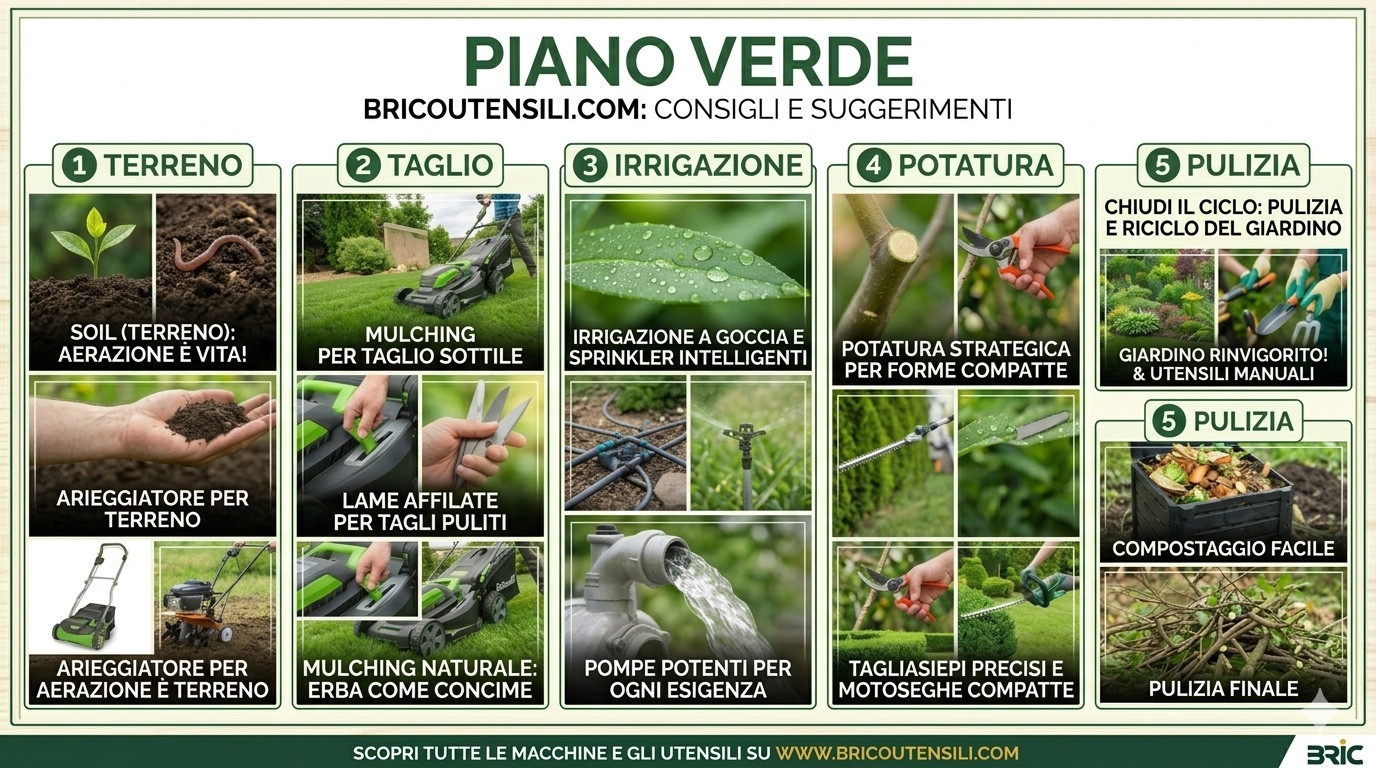 REINVIGORATE YOUR GREEN SPACERead more
 -
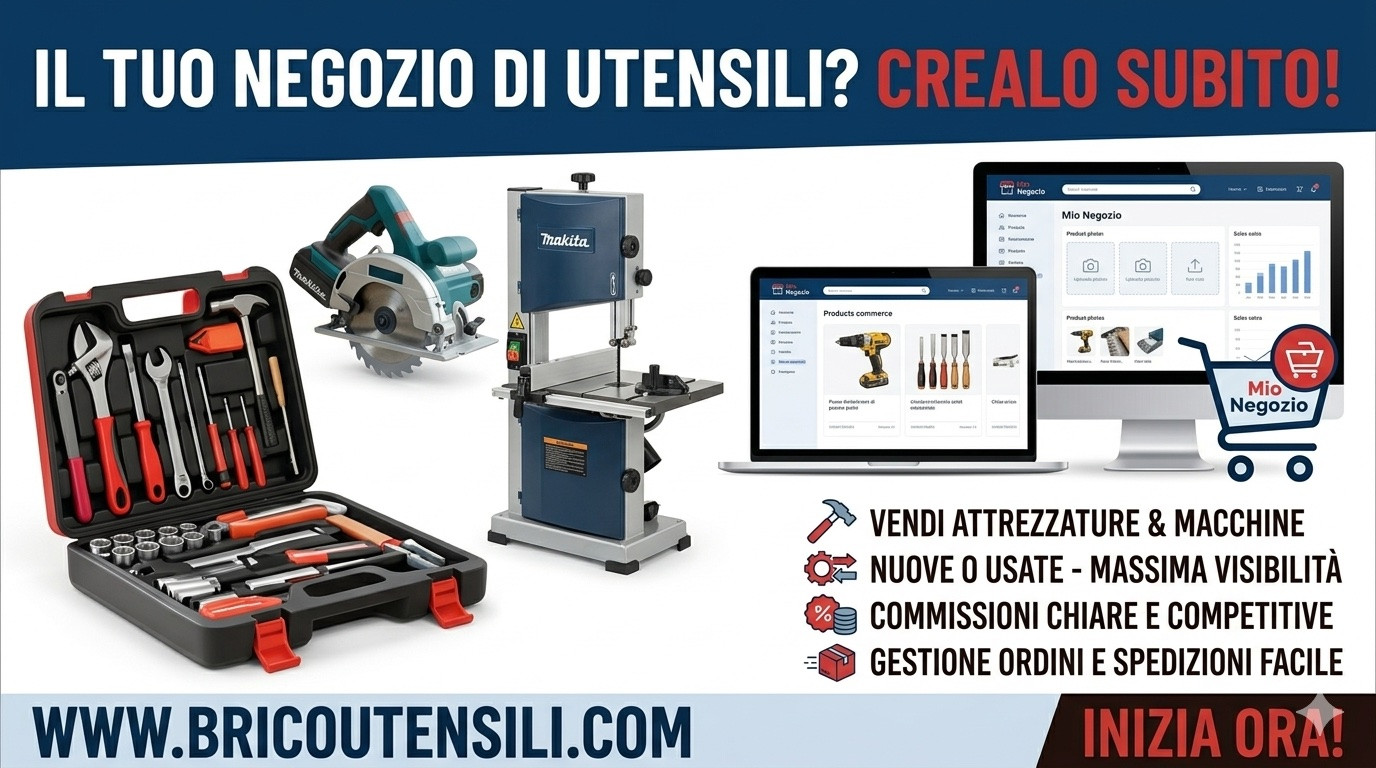 Become a SellerRead more
HAVE TOOLS YOU NO LONGER USE? TURN THEM INTO CASH NOW! Are you a hobbyist or a professional with a garage or workshop...
-
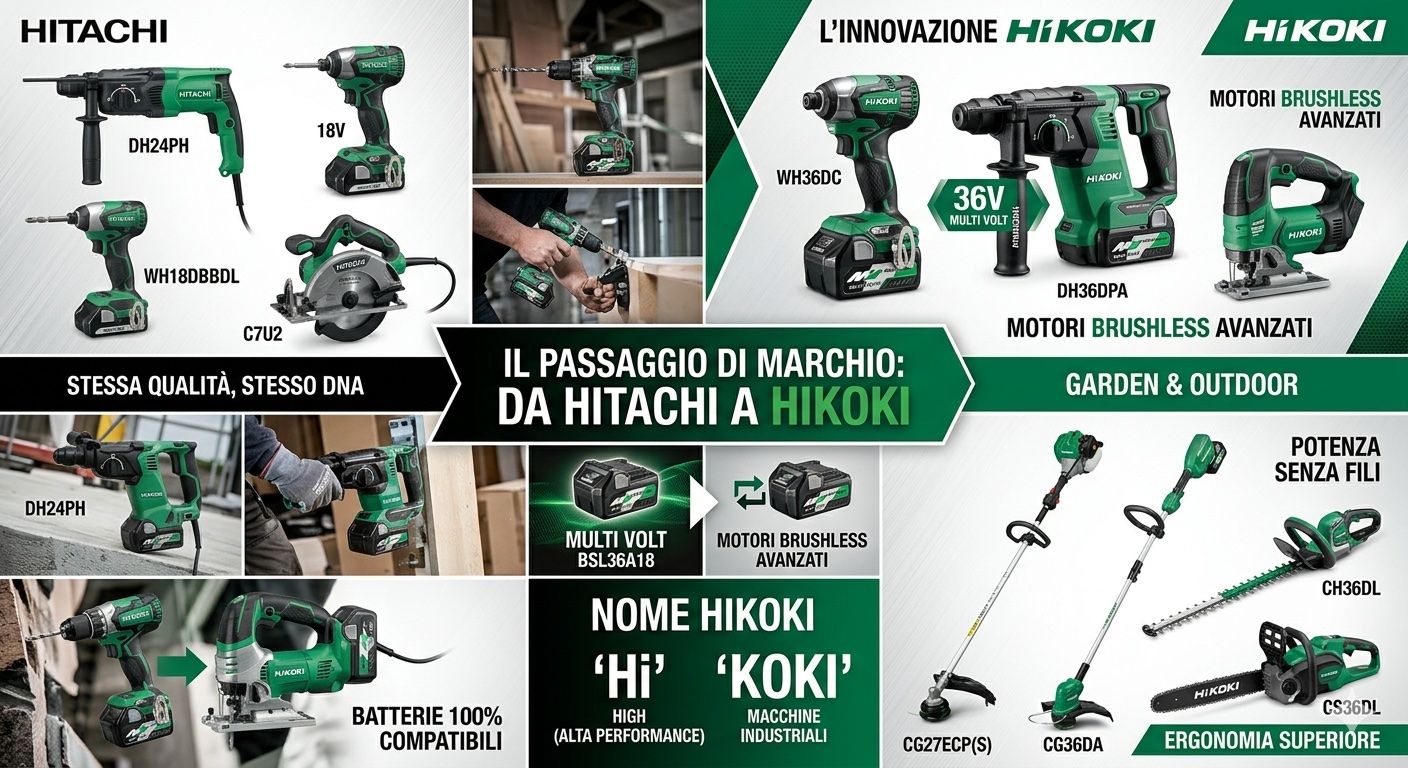 From Hitachi to HiKOKI The Evolution of Power ToolsRead more
The Context: Why the change? It all began with a major financial operation in 2017. The multinational Hitachi Ltd....
-
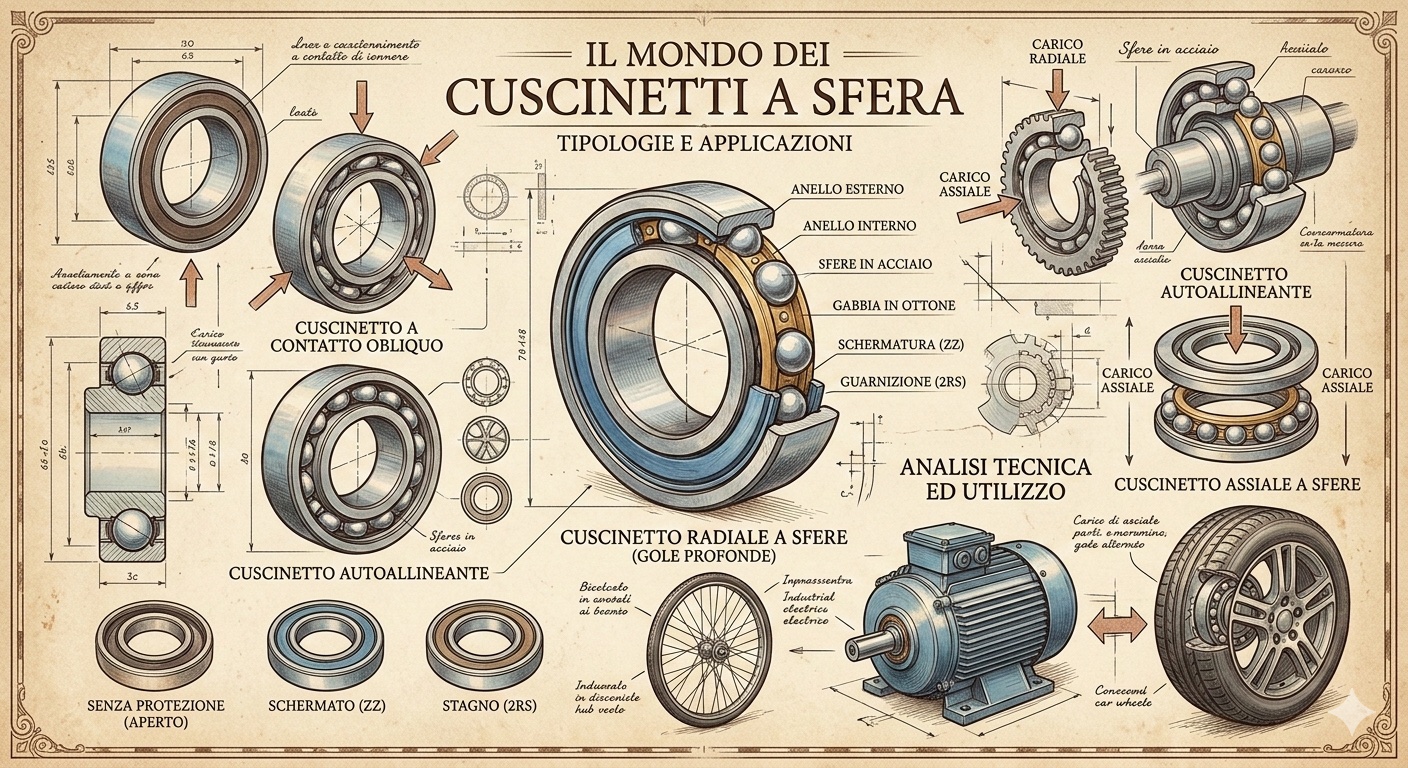 Essential Compendium on Ball BearingsRead more
A guide to ball bearings: types, codes, assembly, and maintenance. Everything you need to know to keep your projects...
-
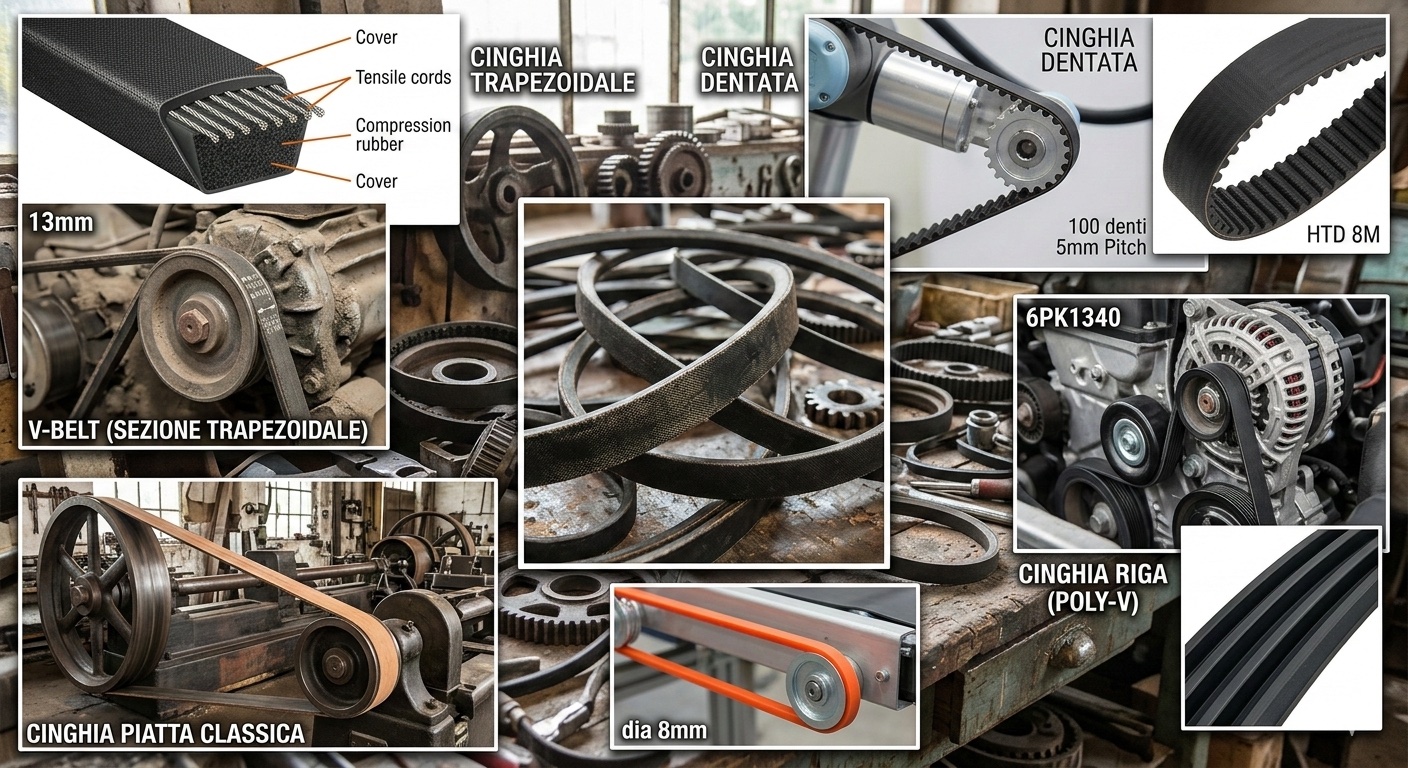 Comprehensive Overview of Main Belt TypesRead more
All belt types in a single catalog. Find the perfect replacement among trapezoidal, synchronous, or ribbed profiles....
-
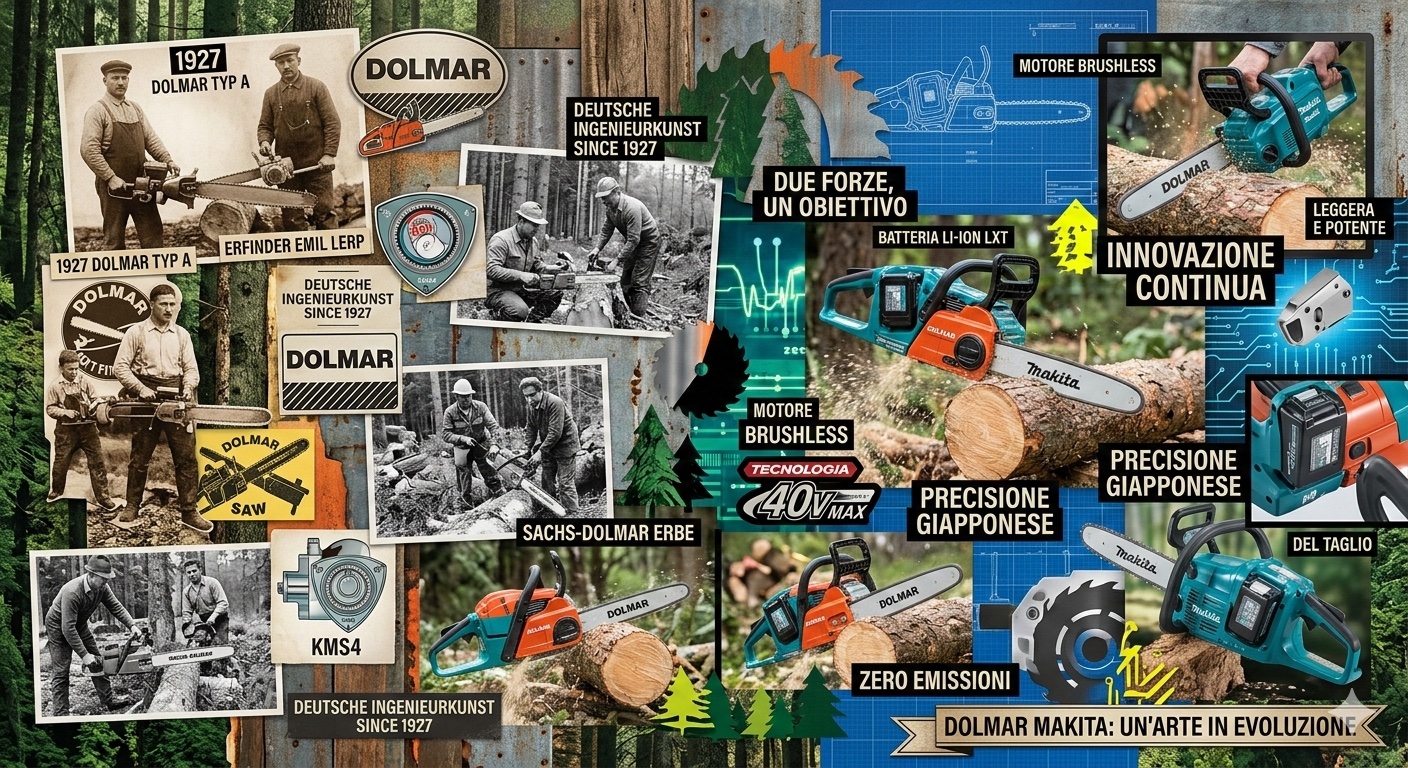 Dolmar and Makita: When History Meets the FutureRead more
Choosing a Dolmar-Makita electric chainsaw means getting your hands on nearly a century of mechanical innovation....
-
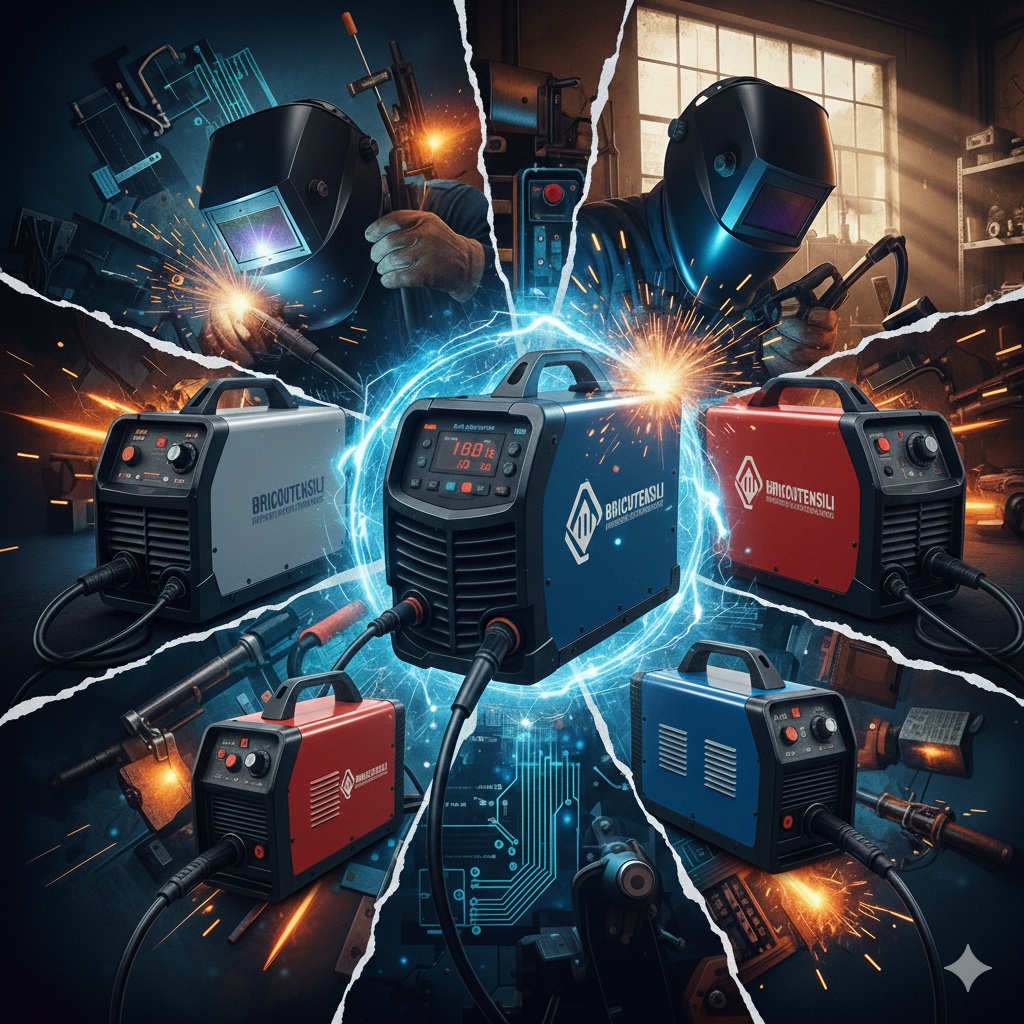 MMA WELDING by telwinRead more
Arc welding with coated electrodes is a manual process where the heat source consists of the electric arc. When the...
-
 The Future of Commerce through InnovationRead more
The world of commerce has changed forever. The crisis of recent years has spared no one, but it has drawn a clear...
-
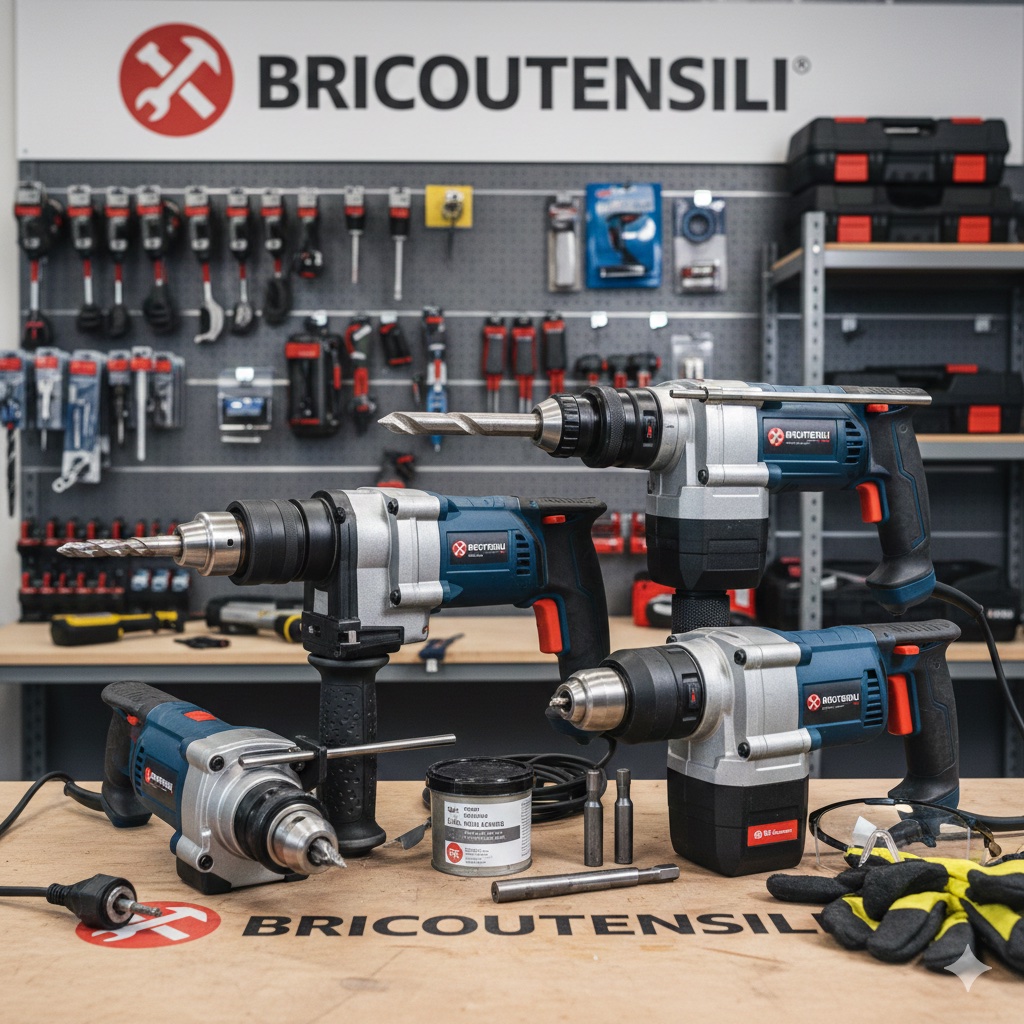 How to Choose the Perfect Demolition HammerRead more
Choosing a demolition hammer is not just about the price; it’s about efficiency and safety. Whether you need to chip...
-
 Expertise at Your ServiceRead more
Choosing the right partner for your work tools is not just about price; it’s about trust, reliability, and...
Blog categories
Search in blog
How to Find the Right Spare Part
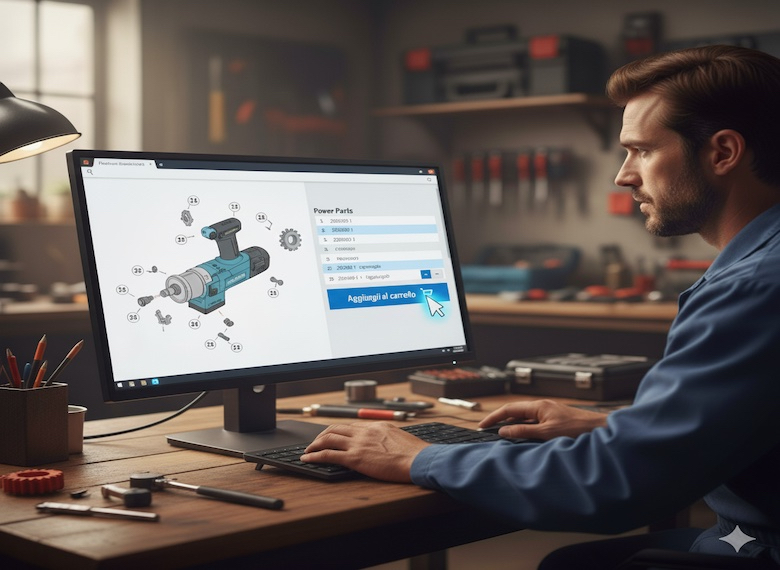
How to Find the Right Spare Part: Match Position, Description, and Code
Navigating through technical drawings and spare parts lists might seem like a maze, but it's the most reliable way to find the exact part you need. To make your life easier and ensure you order the correct spare part, it's crucial to understand how to connect three key elements: the position number on the technical drawing, its description, and the part code. Understanding this correlation will save you time, prevent errors, and ensure your machine is back up and running as quickly as possible!1. The Technical Drawing: Your Tool's Map
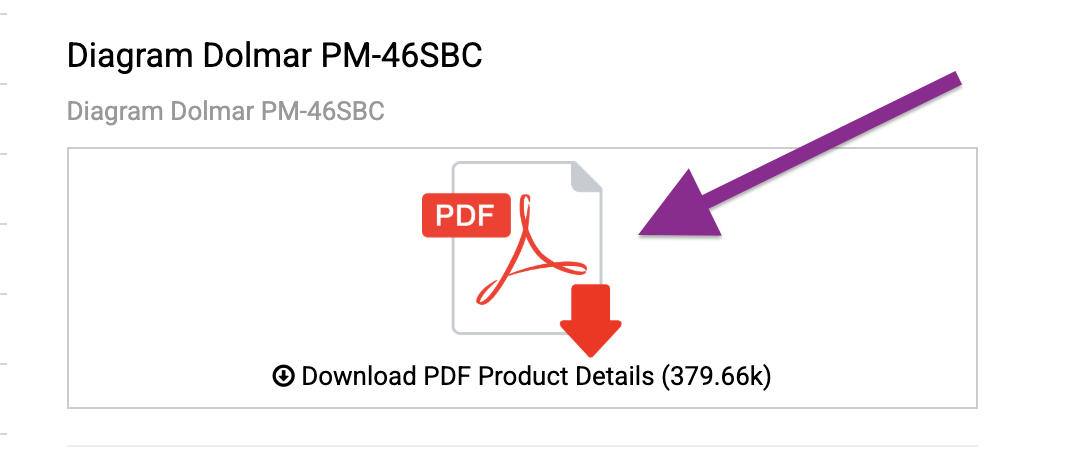
Every machine, especially complex ones like chainsaws, brush cutters, pressure washers, or power tools, comes with an exploded technical drawing.This drawing virtually disassembles every single component of the machine, with each part clearly numbered.
-
What it's for: It lets you visualize the exact position of the spare part within the overall assembly and understand how it connects to other components.
-
What to look for: Locate the component you're interested in and note its associated position number (often circled or near the part itself).

2. The Part Description: The Name of the Piece
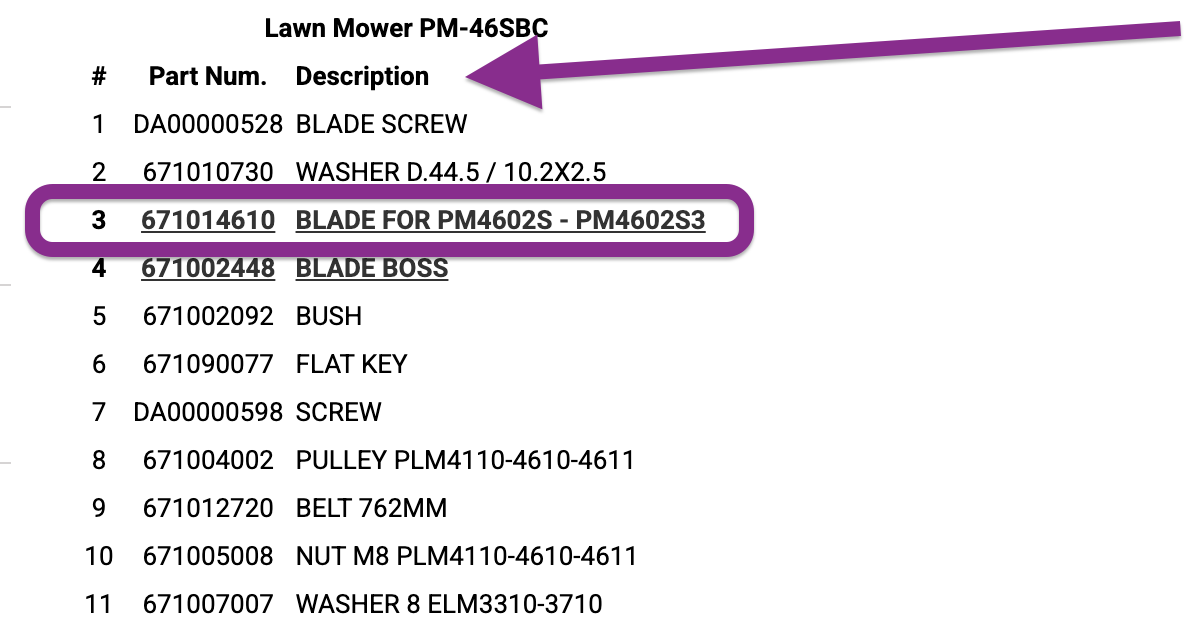
Once you've identified the position number on the drawing, the next step is to consult the descriptive list of spare parts.
This list is usually a table that pairs the position number with a brief but precise description of the component.
-
What it's for: It confirms you've identified the correct piece. For example, number 15 might be a "Motor Shaft" or "Crankcase Gasket." The description removes any doubt.
-
What to look for: Find your position number in the list and read the corresponding description. This gives you the official "name" of the spare part.
3. The Part Code: The Unique Identifier
And now, we come to the most important piece of information for your purchase: the part code.
Next to the description, in the same list, you'll find an alphanumeric series—that's the unique code for the part.
-
What it's for: It's the exact, unrepeatable identifier for the spare part, recognized by the manufacturer. Only with this code can you be sure to order the correct piece, even if there are minor variations or updates.
-
What to look for: Note down the part code associated with the position number and description you've verified. This is the data you'll use to search on our website or to request our assistance.
Practical Example:
Imagine you need to replace the blade on your lawnmower.
-
Open the technical drawing for your model.
-
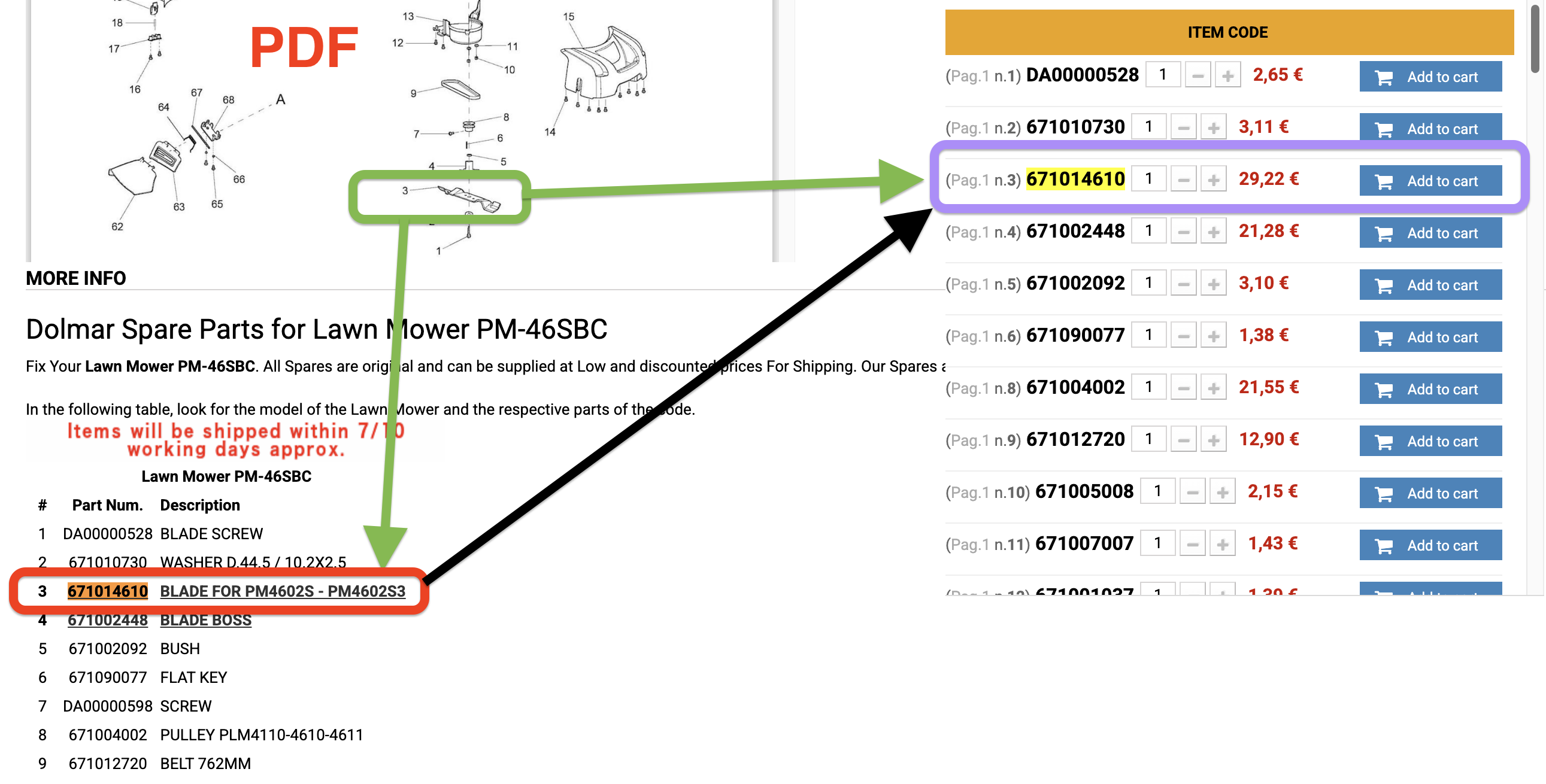
You locate the blade and notice it's associated with position number 3.
-
In the descriptive list, you look for number 3 and find: "BLADE for PM4602S - PM4602S3".
-
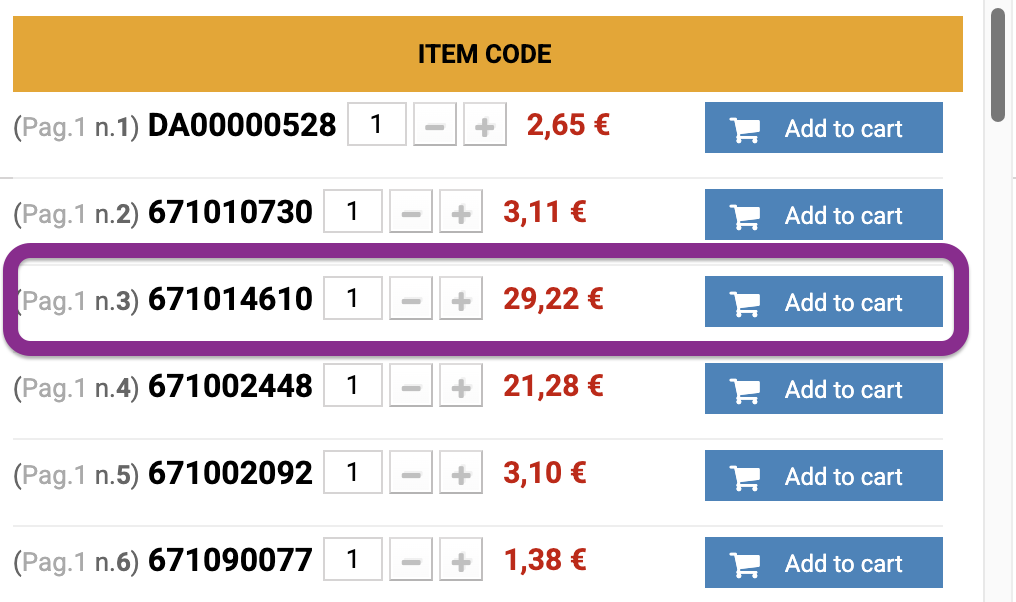
Next to the description, you find the part code: for example, 671014610
With this code (671014610), you can proceed with your purchase on our website or contact us to check availability and price.
Remember: taking a few minutes to consult the drawing and correctly identify the position number, description, and code is the best way to avoid errors and receive the right spare part on your first attempt. If you have difficulty finding this information or interpreting it, don't hesitate to contact us! We're here to help you get your tool working like new again.
Posted in:
Guides & Tips
Related posts
-
From Hitachi to HiKOKI The Evolution of Power Tools
The Context: Why the change? It all began with a major financial operation in 2017. The multinational Hitachi Ltd....Read more
-
Essential Compendium on Ball Bearings
A guide to ball bearings: types, codes, assembly, and maintenance. Everything you need to know to keep your projects...Read more
-
Comprehensive Overview of Main Belt Types
All belt types in a single catalog. Find the perfect replacement among trapezoidal, synchronous, or ribbed profiles....Read more
-
Dolmar and Makita: When History Meets the Future
Choosing a Dolmar-Makita electric chainsaw means getting your hands on nearly a century of mechanical innovation....Read more
-
MMA WELDING by telwin
Arc welding with coated electrodes is a manual process where the heat source consists of the electric arc. When the...Read more
Leave a comment